Walkie-talkies – reliable means of communication for all occasions
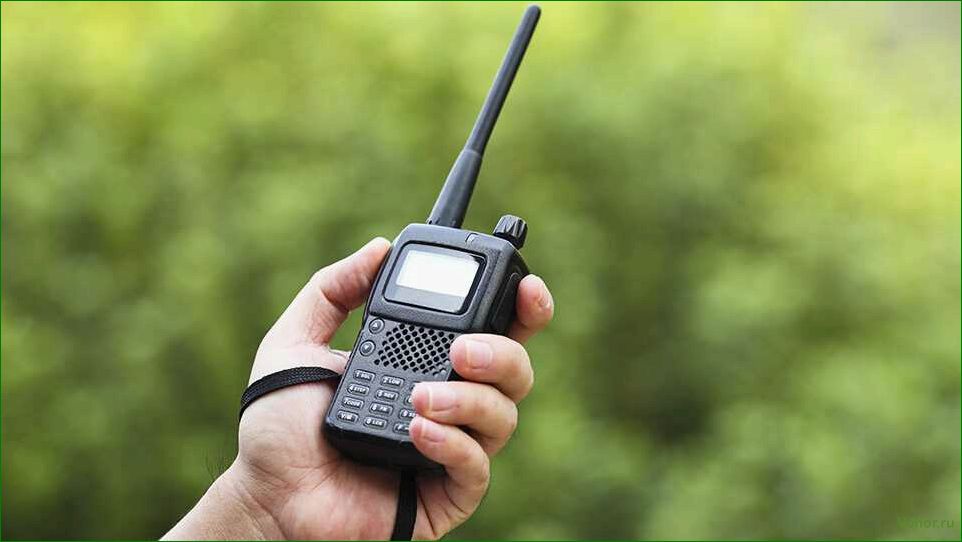
A walkie-talkie is a communication device that is used to transmit and receive radio signals without the need for wired connections. It consists of two main components – a transmitter and a receiver – that operate on the same frequency and enable wireless communication between two or more devices.
Contents of the article:
the operating principle of a walkie-talkie is based on converting sound signals into electrical vibrations, which are then transmitted through antennas for walkie-talkies. A walkie-talkie receiver converts electrical vibrations back into audio signals that can be heard by humans.
There are several types of walkie-talkies that differ in their design and functionality. Some are intended for personal use, such as walkie-talkies for short-range communications, which are often used in tourism or on construction sites. Other radios, such as walkie-talkies and base stations, are designed for longer-range communications and are used in applications such as transportation, military, and emergency services.
Antennas for walkie-talkies https://racii. kz/accessories/antenny are an important part of the device and allow you to strengthen radio signals for longer-range and stable communication. They can be built into the radio body or be separate remote antennas. Remote antennas are usually longer and allow for longer communication ranges, especially when used in open spaces.
Walkie-talkies are widely used in various fields of activity where fast and reliable communication over a distance is required. They can be used for team coordination, security and emergency communications. In addition, walkie-talkies can be used for recreational purposes such as hunting and fishing, where long-distance communication can be vital.
What are walkie-talkies and how do they work?
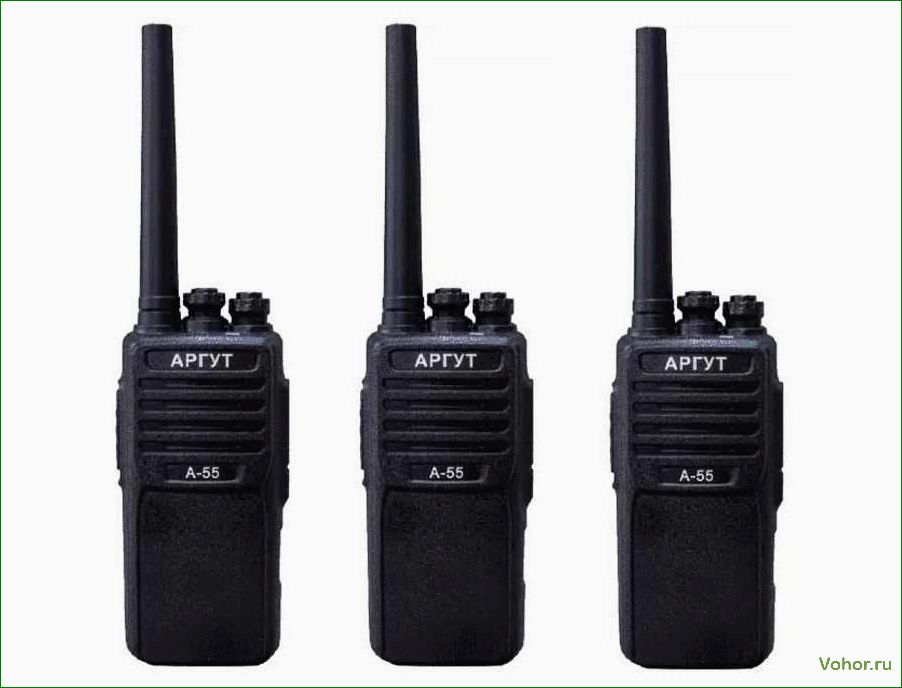
Walkie-talkies operate using radio waves that are transmitted between two or more devices. They are equipped with built-in antennas, which play a key role in transmitting and receiving signals.
The principle of operation of walkie-talkies
Walkie-talkies operate on the principle of two-way radio communication, that is, they provide the ability to simultaneously transmit and receive voice messages. When the user presses a button to transmit, the microphone converts sound waves into electrical signals, which are then transmitted through an antenna.
Signals are transmitted through the air in the form of radio waves of a certain frequency. Other radios are on the same frequency and can receive these signals through their antennas. The built-in speaker then converts the electrical signals back into sound waves and the user can hear the transmitted message.
Antennas for walkie-talkies
Antennas for walkie-talkies are special devices that are used to transmit and receive radio waves. They can be built into the radio body or separately connected. The antenna plays an important role as a transmitter and receiver of signals.
Built-in antennas are usually a small whip structure that protrudes from the body of the radio. They are compact and easy to use, but their transmission range may be limited.
Separately connected antennas can be of various types, including whip, loop, panel and others. They can be installed in higher places or used with signal boosters to increase transmission range.
The choice of antenna depends on the specific needs of the user, such as the required transmission range, conditions of use and technical characteristics of the radio.
Design and principle of operation of walkie-talkies
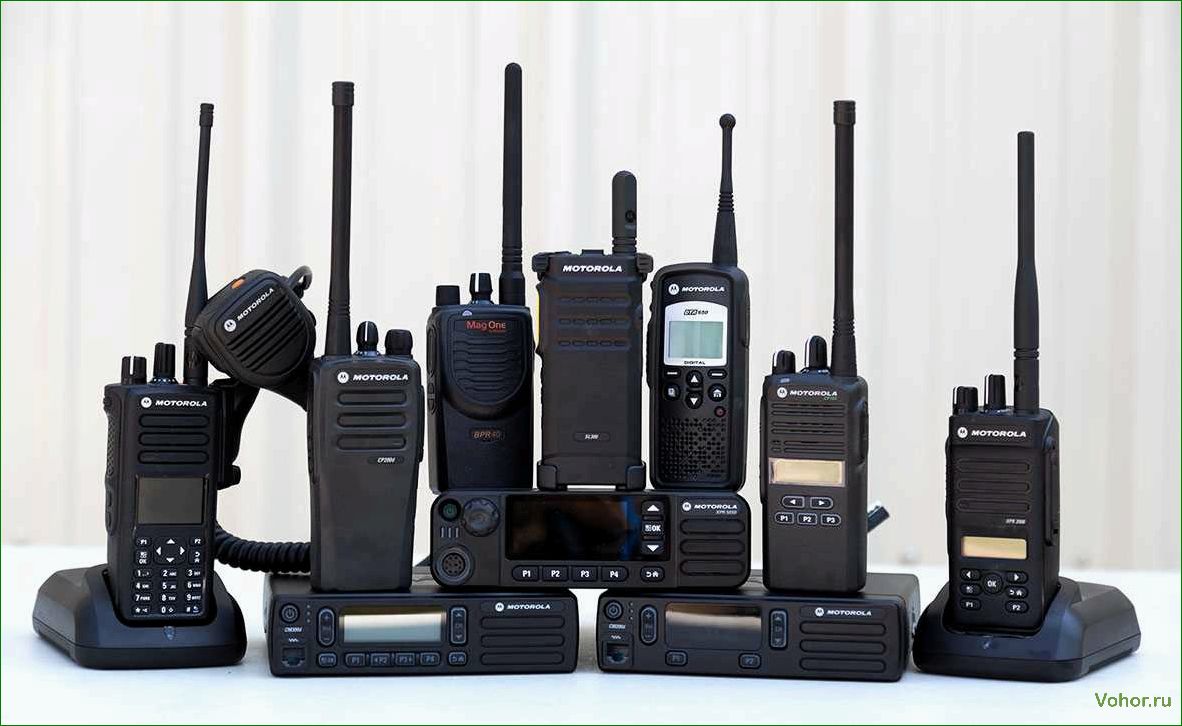
The main component of a walkie-talkie is the antenna, which plays a key role in communication. A walkie-talkie antenna is a device capable of receiving and transmitting radio waves. It ensures efficient signal propagation and reception over a certain distance.
The principle of operation of walkie-talkies
Walkie-talkies operate on the principle of radio communication, which is the transmission and reception of radio signals between two or more devices. When one walkie-talkie transmits a message, it converts the voice signal into radio waves, which are then transmitted through an antenna. The other radio is in receiving mode at this moment and receives a radio signal through its antenna. The received radio signal is then converted back into a voice signal that can be heard by the operator.
Walkie-talkie antennas come in many different types, including built-in antennas, retractable antennas, and detachable antennas. Built-in antennas are located inside the radio body and provide a basic level of communication over short distances. Retractable antennas can be pulled out from the body of the radio, which improves the quality of communication over long distances. Removable antennas allow you to replace the standard antenna with a more powerful one to increase communication range.

| Antenna type | Description |
|---|---|
| Built-in antenna | Located inside the radio body |
| Retractable antenna | Can be pulled out from the radio body |
| Detachable antenna | Can be replaced with a more productive one |
The choice of antenna for a walkie-talkie depends on the required communication distance and operating conditions. It is important to consider that the longer the antenna, the further the communication can be established. However, long antennas are more susceptible to damage and may be difficult to use in confined spaces.
Types of walkie-talkies
One of the main types of walkie-talkies are walkie-talkies with a fixed antenna. In such walkie-talkies, the antenna is fixedly mounted on the device body and cannot be replaced or disconnected. These radios usually have a short range and are used indoors or over short distances.
The second type of walkie-talkie is walkie-talkie with a removable antenna. In such walkie-talkies, the antenna may be detached from the body and replaced with an antenna with a higher or specialized range. This allows you to use such radios over long distances or in conditions with poor signal quality. Walkie-talkies with a removable antenna are widely used in construction, tourism, hunting and other open spaces.
There are also walkie-talkies with an external antenna. In such walkie-talkies, the antenna is located separately from the device body and is connected to it using a cable. This allows you to install the antenna at a height or in another convenient location to obtain better signal quality. Walkie-talkies with an external antenna are widely used in amateur radio and professional radio communications.
As a result, the choice of a walkie-talkie with a certain type of antenna depends on the required range, conditions of use and user needs.
The use of walkie-talkies in various fields
1. Emergency services
Walkie-talkies are used by emergency services such as police, fire and ambulance to provide rapid communication between personnel on the scene and the dispatch center. This allows you to quickly respond to situations and coordinate actions.
2. Industry and construction
Walkie-talkies are an indispensable communication tool between workers on construction sites, in the mining, and oil and gas industries. They enable the rapid transfer of information about production processes, ensuring safety and efficiency.
3. Tourism and sports
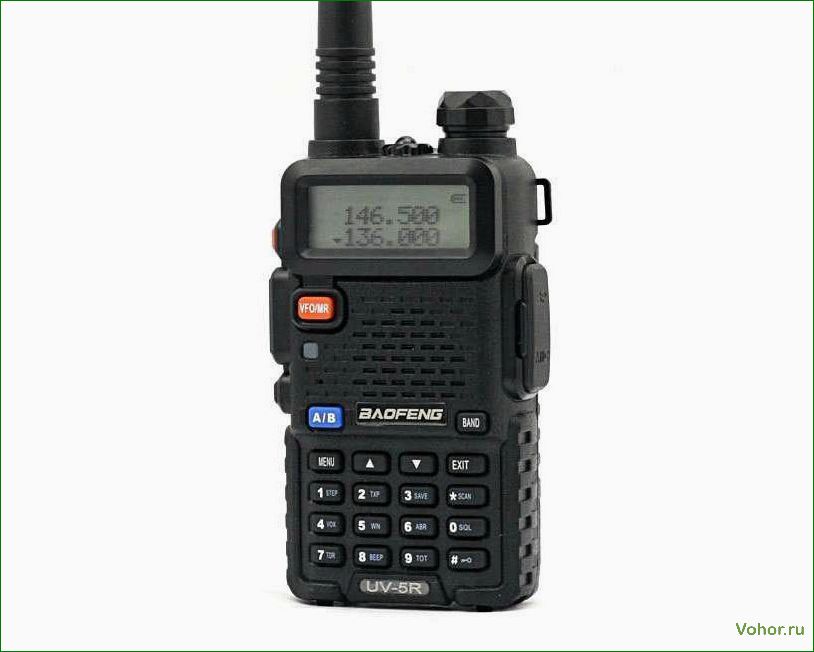
Walkie-talkies are widely used in tourism and sports, especially in mountainous areas and on water. They allow for communication between team members, warning of potential hazards, and coordinating actions in emergency situations.
4. Logistics and transport
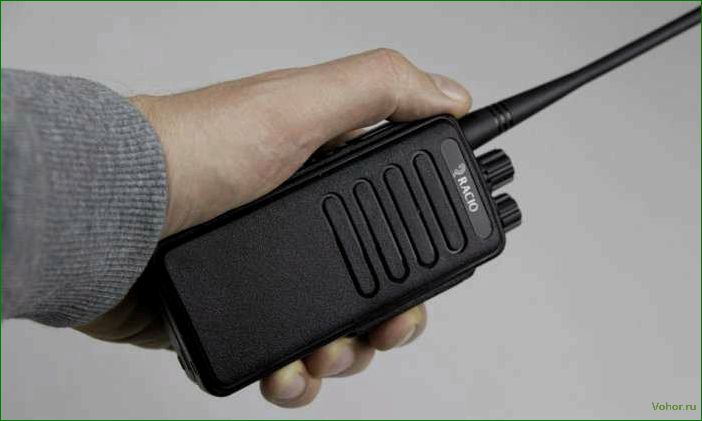
Walkie-talkies are used in logistics and transportation for communication between truck drivers, rail workers, dispatchers, and other participants in transportation processes. This allows for rapid response to route changes and ensures safety and efficiency.
5. Security services
Walkie-talkies are widely used in security services, such as facility security, public order protection, and environmental protection. They enable rapid response to violations and coordination between employees.
In all these areas, the use of walkie-talkies is essential for ensuring reliable and efficient communication. Antennas, which transmit and receive signals, are a crucial component of a walkie-talkie. Walkie-talkie antennas come in various types and shapes, depending on the requirements and operating conditions.
Walkie-talkies in everyday life
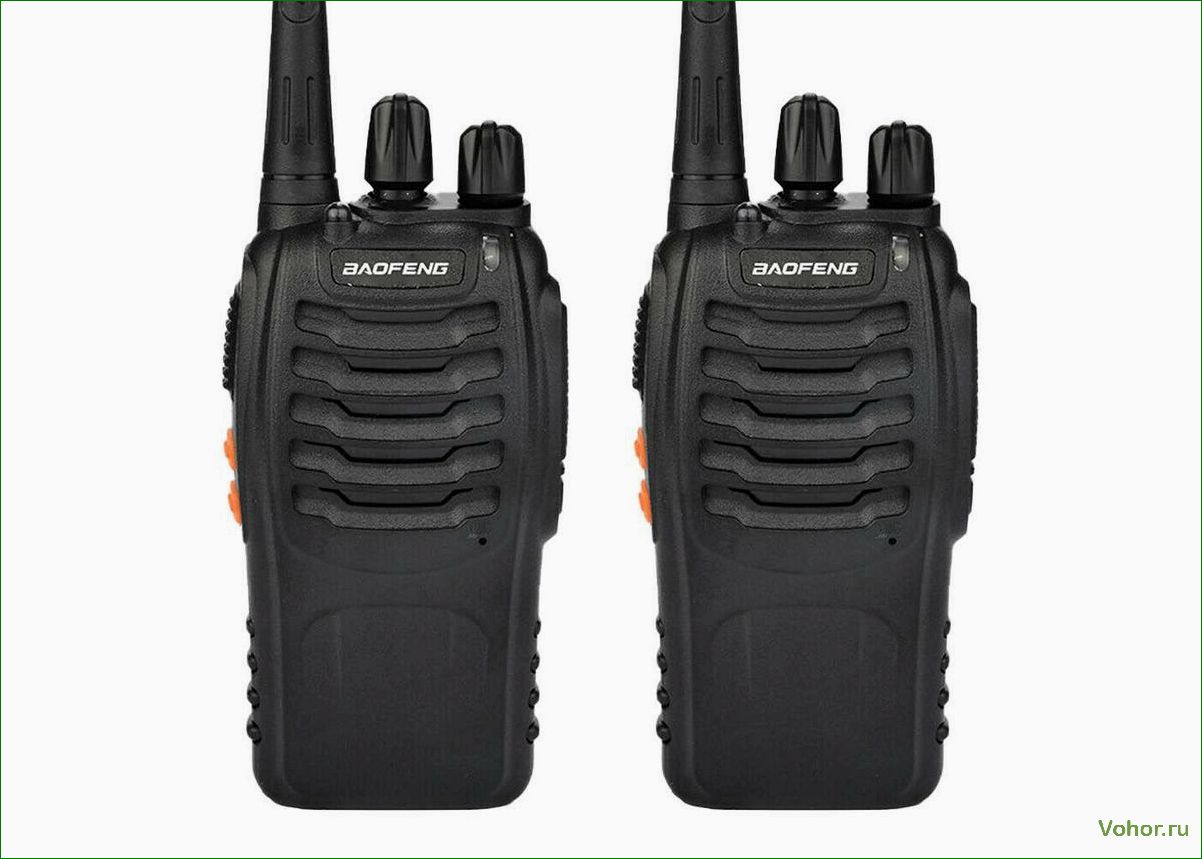
Walkie-talkies are widely used in many areas of life. For example, they enable communication between people during hikes, hunting, or fishing. Walkie-talkies can also be useful in urban environments, such as coordinating work at construction sites or organizing events.
Walkie-talkie antennas play a vital role in ensuring high-quality communications. They are designed to receive and transmit radio signals. Antennas can be built into the body of the walkie-talkie or designed as a separate, external component. Antenna quality directly impacts the range and quality of communication.
Types of antennas for walkie-talkies
There are several types of walkie-talkie antennas, each with its own characteristics and applications. One of the most common types of antennas is the flexible antenna. It is a flexible conductive antenna that can be bent and rotated to tune to the desired frequency. The flexible antenna is compact in size and easy to use.
Another type of antenna for walkie-talkies is a telescopic antenna. It consists of several sections that can be extended or folded depending on the required communication range. The telescopic antenna provides a good communication range and can be used in conditions of strong interference.
Selecting antennas for walkie-talkies
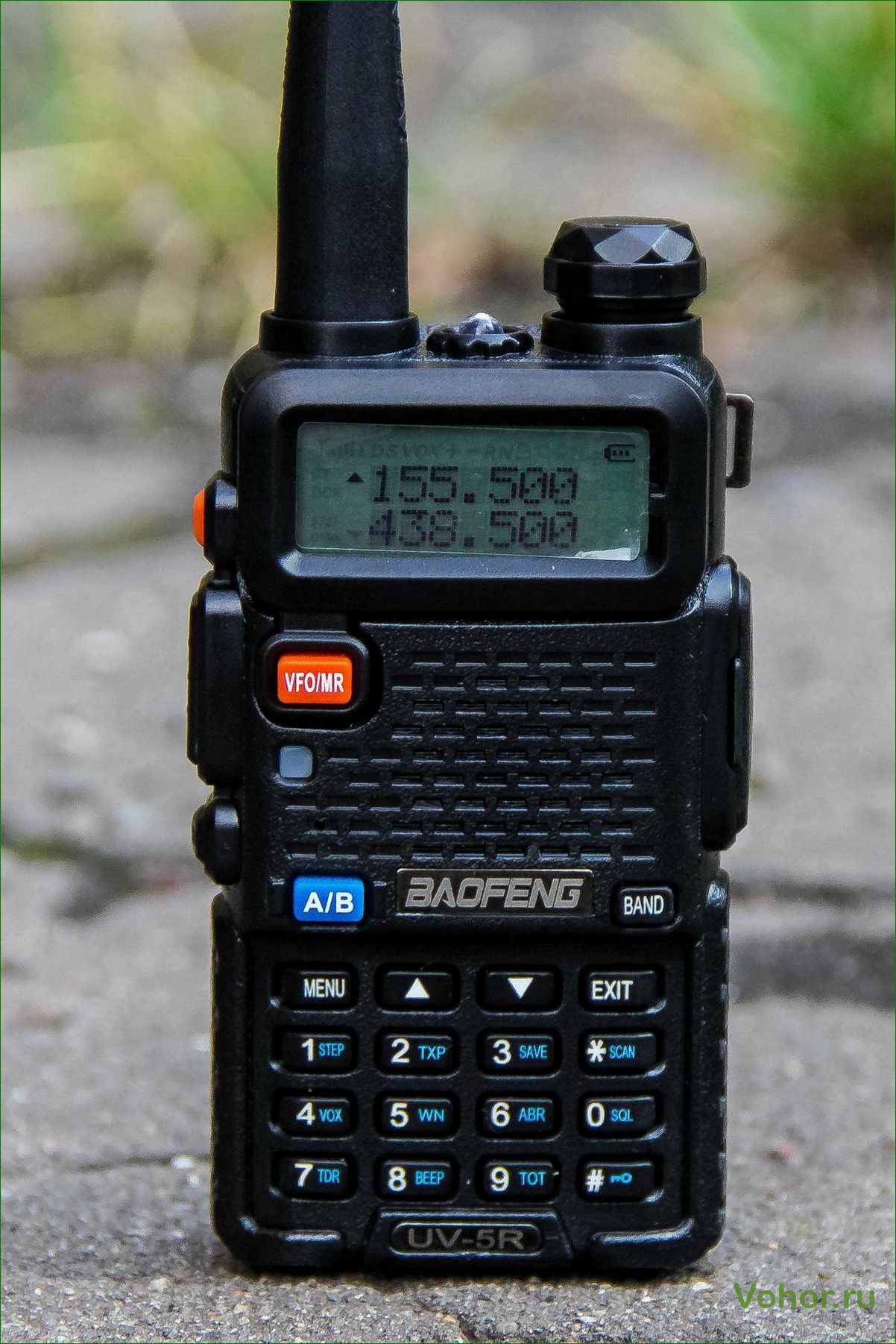
When choosing antennas for walkie-talkies, there are a number of factors to consider. It is important to determine the required communication range and operating conditions. For example, for use in an urban environment, it is better to choose an antenna with signal amplification and good noise immunity characteristics.
It is also worth paying attention to the type of antenna connector, which must match the connector of the walkie-talkie. Some radios may have special connectors, so you should check compatibility before purchasing an antenna.
In general, the correct choice of antennas for walkie-talkies will ensure stable and high-quality communications in everyday life, which makes walkie-talkies an indispensable communication tool in various situations.


