Mirabilis wide
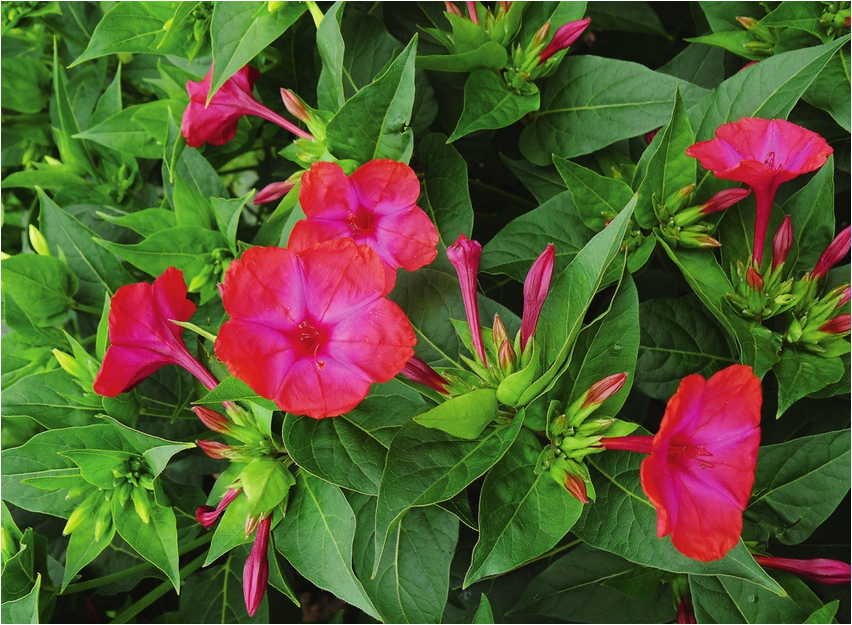
Mirabilis wide (lat. Mirabilis expansa) is a herbaceous perennial root plant of the genus Mirabilis (lat. Mirabilis), belonging to the family Nyctaginaceae (lat. Nyctaginaceae).
If many relatives of “Mirabilis broad” are distinguished by large, bright funnel-shaped flowers that emit a sweet aroma at night, then this species of the genus can only display miniature white or light purple flowers. When it comes to showcasing the plant”s roots, “Mirabilis broadus” is at its best. Its tuberous roots have no competitors among its relatives. In addition, the tubers of the plant have been used as food by American Indians since ancient times.
What”s in your name
If the translation of the Latin word “Mirabilis”, which botanists used to name the genus of plants, which sounds in Russian as “amazing”, demonstrates the beauty of the flowering of most plants of the genus, then the species with the name “Mirabilis wide” surprises with its tuberous roots.
For the specific epithet “expansa”, Google translator produces the word “distribution”, which someone once translated literally with the word “wide”. And again the reason here will be the roots of this species of the genus, which give life to a perennial plant and spread widely over the occupied territory.
The American Indians call the plant “Mauka” or “Chago”.
Description
The main part of Mirabilis wide is its roots with root vegetables, which is why it is popular in South American countries. One of its advantages is the plant’s high resistance to cold and winds, which many plants on our planet are afraid of. With the arrival of frost, the above-ground part of the plant dies off, but the hardy roots, having waited out the frosts deep in the soil, with the arrival of heat again bring to the surface numerous stems up to one meter high. The plant is quite resistant to diseases.

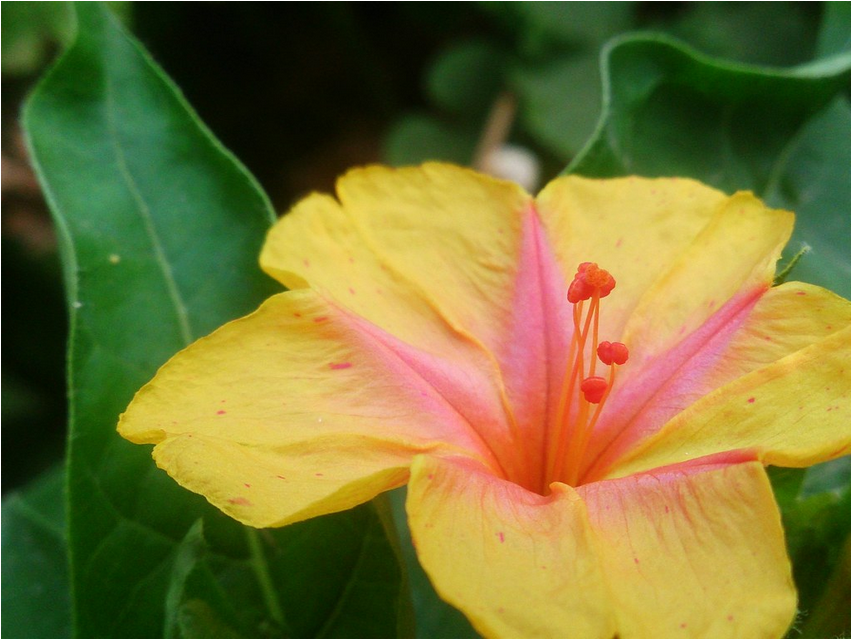
Although the plant”s yield is not very high, its ability to survive in very unfavorable conditions makes Mirabilis broadens an important crop that provides food for people living in the Andes. Indeed, the composition of tubers consists of 87 percent carbohydrates, 5-7 percent proteins, and also contains calcium, phosphorus and other chemical elements in smaller quantities.
The cylindrical stems are separated by nodes, from which a pair of oval-oblong leaves are born, similar to the leaves of other species of the genus.
But it is difficult for the flowers of the plant to compete, for example, with the large and fragrant flowers of the Night Beauty. The miniature flowers form inflorescences on thin long stalks covered with sticky hairs, and are more similar to the flowers of Bougainvillea, a relative of the Nyctaginaceae family, only without the bright bracts that decorate the branches of Bougainvillea and protect its small flowers.
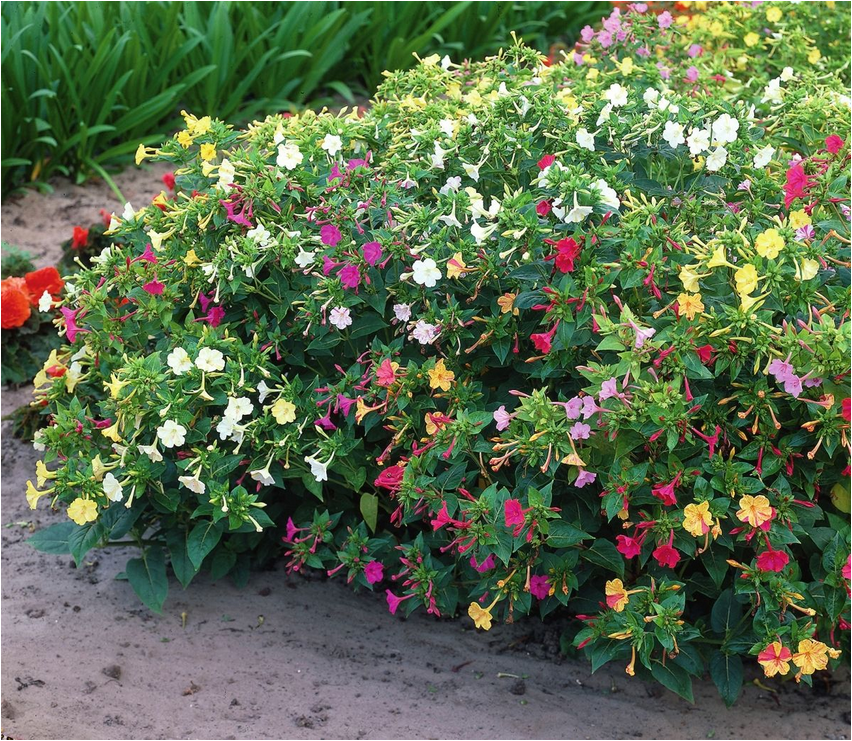
The color of the miniature flowers is pink, purple, white, depending on the place of growth. Unopened buds are covered with sticky hairs and easily cling to clothing when a person moves awkwardly. Large (relative to the size of the flower) stamens with pollen grains protrude from the opened buds.
Usage
The normal growing season for the Mauka plant is two years. After two years, the harvest is much more significant. But people”s poverty forces them to collect root crops every year, which significantly reduces yields.
If the size of the land plot allows, then the method of joint planting (intercropping) of Mauka and corn is used, which leads to a reduction in the number of weeds and insect pests, and improves the soil structure.
Leaves, stems and roots are used for nutrition. Fresh root vegetables can cause irritation of the mucous membranes, so the tubers are boiled or dried in the sun. When dried, the bitter component disappears and the roots become sweet, similar in taste to cassava tubers (sweet potatoes).
Tubers boiled in boiling water lose their whiteness, becoming pale yellow, and have a pleasant sweet taste.





