Installing an air conditioner on a car
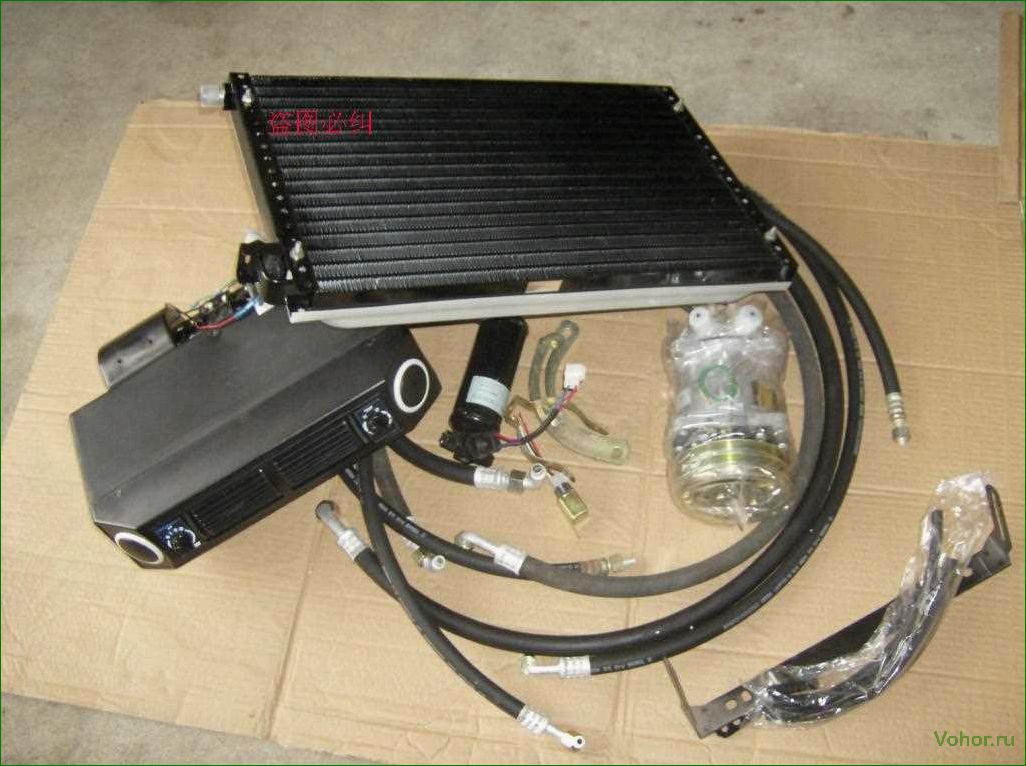
Air conditioning in a car can be not only an element of comfort, but also safety in hot weather. It can not only cool the air in the cabin, but also improve visibility by reducing glass fog.
Contents of the article:
- Installing an air conditioner on a car
- Why is it worth installing air conditioning in your car?
- Features of installing an air conditioner
- Types of car air conditioners
- Preparing the car for installing air conditioning
- The procedure for installing an air conditioner on a car
- Necessary tools for installing an air conditioner
- The nuances of operating an air conditioner in a car
- Costs of installing air conditioning on a car
- What you need to know about car air conditioning maintenance
- How to choose and install an air conditioner in a car
- Benefits of using air conditioning in your car
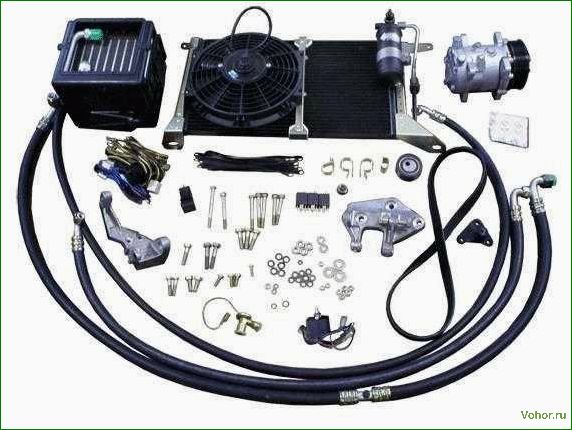
installing an air conditioner on a car can be a simple or complex process, depending on the car model and the owner’s requirements. Some vehicles already come with basic air conditioning equipment, making the installation process easier. However, installing an air conditioner on a car may require additional knowledge and experience in automotive technology.
If you decide to install an air conditioner on your car yourself, you need to make sure that the equipment included in the device matches the car model. When in doubt, it is better to turn to professionals for help. You should not skimp on the quality and reliability of your air conditioner, as this can lead to serious consequences.
Installing an air conditioner on a car
Selecting an air conditioner
Before installing an air conditioner on a car, you need to select a suitable device. It is important to consider the air conditioning capacity, compressor type, and unit size to ensure it matches the specifications of your vehicle.
Air conditioner installation
To install an air conditioner, it is necessary to provide refrigerant outlets and an electrical cable. Then you should secure the air conditioner in the car using special fasteners. After this, the wire connections need to be connected to the car electrical system.
Carrying out technical work
- Use adequate space to mount the device.
- Send the gases to the cooler in the car.
- Finish the high-speed flow of its beading on all screens.
- Check for refrigerant leaks and unit seals.
Setting up the air conditioner
After installing the air conditioner, it is necessary to configure the device for the most comfortable operating conditions. This includes setting the temperature, rotating blinds, air direction and other functions.
Why is it worth installing air conditioning in your car?

Comfortable driving in hot weather
Installing an air conditioner on a car allows you to ride comfortably and safely in hot weather. The air conditioner cools the interior and maintains a comfortable temperature inside the car. Thanks to this, you will not experience discomfort from the heat and will not lose attention while driving.
Improving air quality inside the car
Air conditioners remove dust, dirt, allergens and other harmful particles from the air inside the cabin, making driving healthier and more comfortable. This is especially important for people prone to allergies or asthma.

Improving driving safety
Air conditioning also improves visibility on the road because it prevents the windows inside the car from fogging up. This improves driving safety as you will have a better view of the road and obstacles on it.
Increase in car value
Installing an air conditioner increases the cost of the car. Air conditioning is becoming an increasingly popular optional equipment, so a car with air conditioning will be more attractive to buyers and its price will be higher.
Features of installing an air conditioner
Installation requirements
Before installing an air conditioner in a vehicle, ensure that the vehicle’s electrical system meets the manufacturer’s requirements. Additionally, it is important to ensure the system is tightly sealed to prevent refrigerant leaks. To achieve this, it is important to select high-quality components and carefully seal all connections.
Choosing an installation location
When choosing a location for installing an air conditioner in a vehicle, several factors must be considered. First and foremost, the size of the air conditioner must fit in the available space without compromising other systems. Furthermore, the air conditioner must be installed so that it does not heat up due to engine operation and can receive sufficient air for cooling.
Installation methods
- When installing an air conditioner in a vehicle, you can choose to integrate the unit with the heating system.
- Another option is to install a separate air conditioner that will operate independently of the vehicle’s other systems.
- It is also possible to install the air conditioner in place of the factory system, which is not included in the vehicle model. Air Conditioner Installation Cost
Air conditioner installation cost
Types of Car Air Conditioners
Types of car air conditioners
Portable Air Conditioners
Portable air conditioners
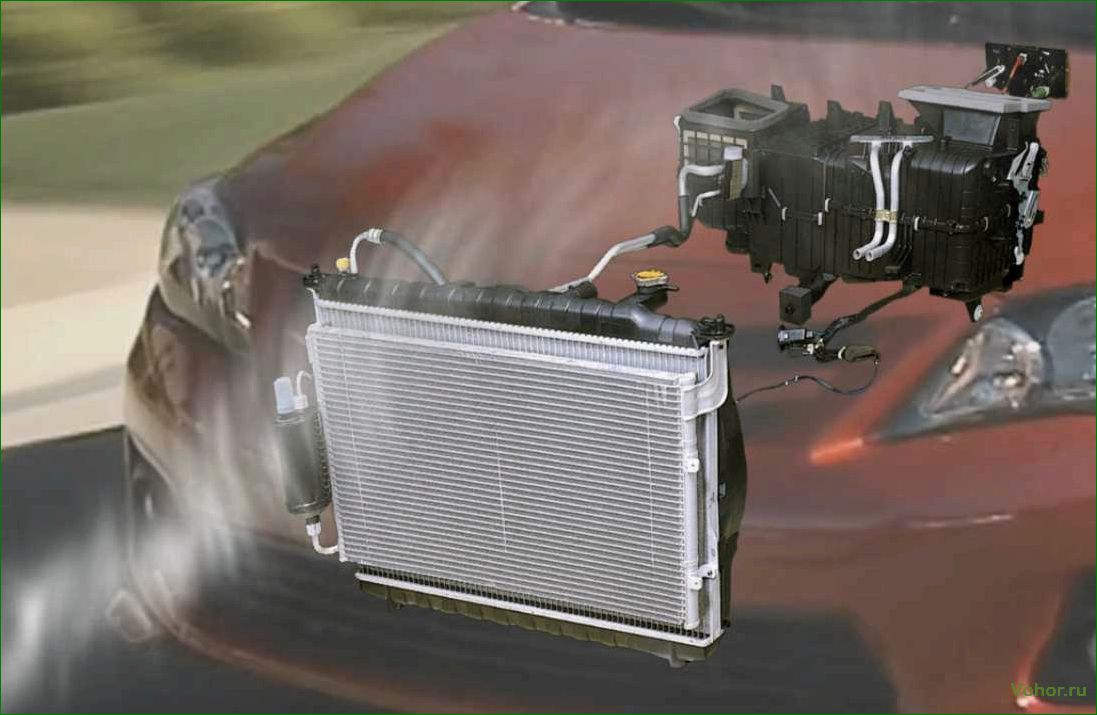
Stationary Air Conditioners
Stationary air conditioners
Multi-zone air conditioners
Multi-zone air conditioners
Preparing the car for installing air conditioning
Preparing the car for installing air conditioning
Car electrical check
Checking the condition of the radiator
Checking the condition of the radiator
Installing additional fasteners
Installing additional fasteners
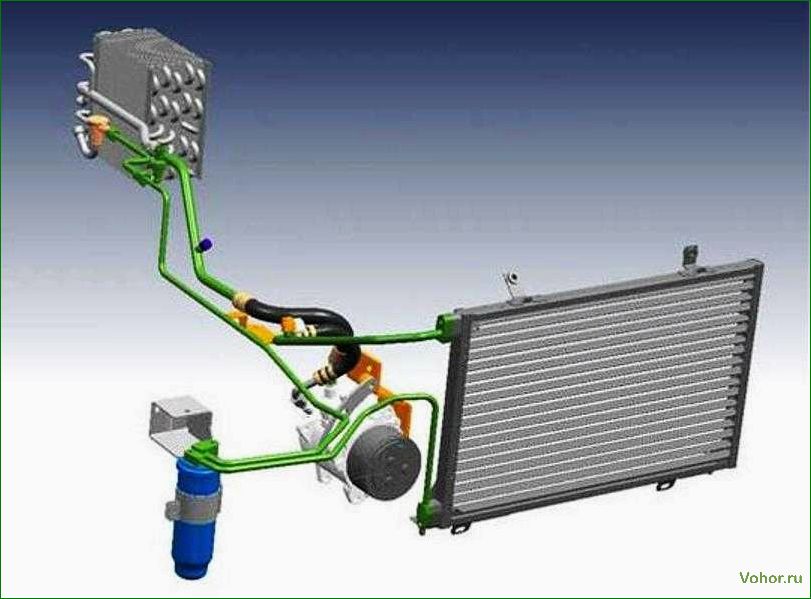
Checking the compressor operation
Checking the compressor operation
Checking the coolant
Checking the coolant
The procedure for installing an air conditioner on a car
The procedure for installing an air conditioner on a car
Step 1: Preparing the car
Step 2: Selecting an air conditioner
Step 2: Selecting an air conditioner
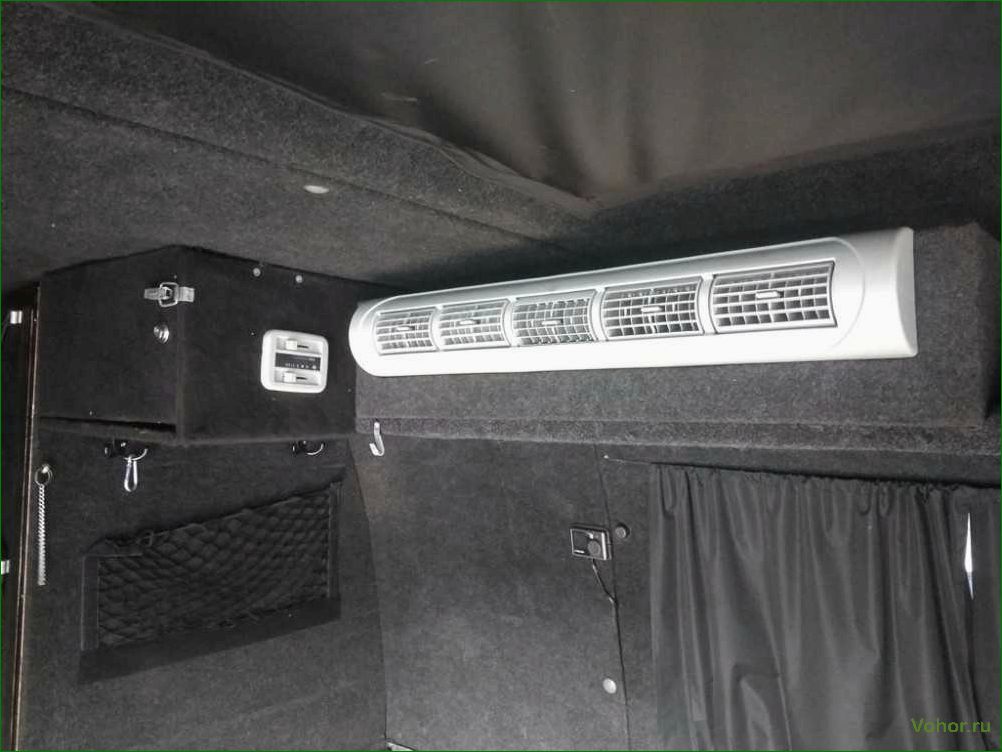
Step 3: Installing the air conditioner
Step 3: Installing the air conditioner
Step 4: Testing and adjustment
Step 4: Testing and adjustment
Step 5: Maintenance and Repair
Step 5: Maintenance and Repair
Conclusion
Conclusion
Necessary tools for installing an air conditioner
Necessary tools for installing an air conditioner
1. Impact wrench
2. Pressure gauges
2. Pressure gauges
3. Rubber gloves
3. Rubber gloves
4. Leak test lamp
4. Leak test lamp
5. Sealant
5. Sealant
6. Freon
6. Freon
7. Cutting tool
7. Cutting tool
8. Screwdrivers and pliers
8. Screwdrivers and pliers
When installing an air conditioner on a car, you need a set of special tools to successfully complete the project.
- It is important to choose quality tools from reputable manufacturers to ensure a reliable and safe installation.
- Do not forget to conduct a theoretical analysis of the installation process and do not neglect standard safety rules.
- The nuances of operating an air conditioner in a car
The nuances of operating an air conditioner in a car
Fuel economy
Temperature regulation
Temperature regulation
Air conditioner prevention
Air conditioner prevention
Air conditioner care
Air conditioner care
Costs of installing air conditioning on a car
Costs of installing air conditioning on a car
Installation price
Additional costs
Additional costs
Operating costs
Operating costs
Total Cost
Total cost
What you need to know about car air conditioner maintenance
What you need to know about car air conditioning maintenance
Regular check:
Also, it is necessary to check the condition of the compressor and its belt, the air conditioner radiator for contamination, and the integrity of the hoses and connections. Proper Operation:
Using an air conditioner in your car makes driving easier in hot summer conditions, but it must be used correctly to avoid unpleasant situations. For example, at low temperatures, the air conditioner places a high load on the engine, which can lead to premature wear of its components. Therefore, only turn on the air conditioner at certain temperatures.
Correct use:
Use of Quality Materials:
When servicing the air conditioner, use only high-quality materials and replace defective components with genuine spare parts. Insufficient or poor-quality replacement of components can lead to failure of the entire system and high repair costs.
Use of quality materials:
How to Choose and Install an Air Conditioner in Your Car Yourself
Step 1: Choosing an Air Conditioner
The first step in installing an air conditioner in a car is choosing the right model. First, measure the dimensions and parameters of the interior to select an air conditioner that matches the size and power of the vehicle. It’s also important to consider the operating conditions—if the vehicle will be used in hot climates, a more powerful and durable model is required.
Step 1: Selecting an air conditioner
Step 2: Preparing for Installation
Before installing an air conditioner in a car, you need to complete a few simple steps. First, check the vehicle’s cooling system—it should be in good working order and ready for use. You should also ensure the interior is properly sealed—check the doors and windows for cracks and crevices.
Step 2: Preparing for installation
Step 3: Installing the Air Conditioner
You can install the air conditioner in your car yourself, following the instructions included with the unit. At this stage, follow basic safety precautions—disconnect the vehicle from the power source, use tools safely, and follow the manufacturer’s technical recommendations. Tip: During installation, it is recommended to monitor the quality of the connections and be sure to test the air conditioner for proper operation after installation.
Step 3: Installation of the air conditioner
Comfort While Traveling
Installing an air conditioner in a car helps create a comfortable environment for passengers and the driver. During the summer heat, the air conditioner cools the cabin to a comfortable temperature. At the same time, the air inside remains fresh and pleasant to breathe, which is essential for long-distance travel.
Benefits of using air conditioning in your car
Comfort while traveling
Extending Car Life
Driver safety
Fuel Economy
Increasing vehicle life
Installing an air conditioner on a car
Fuel economy
Installing an air conditioner on a car


