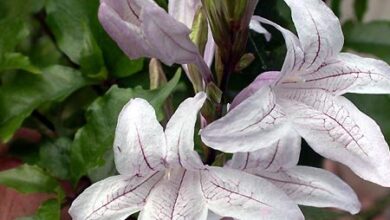
White Zephyranthes
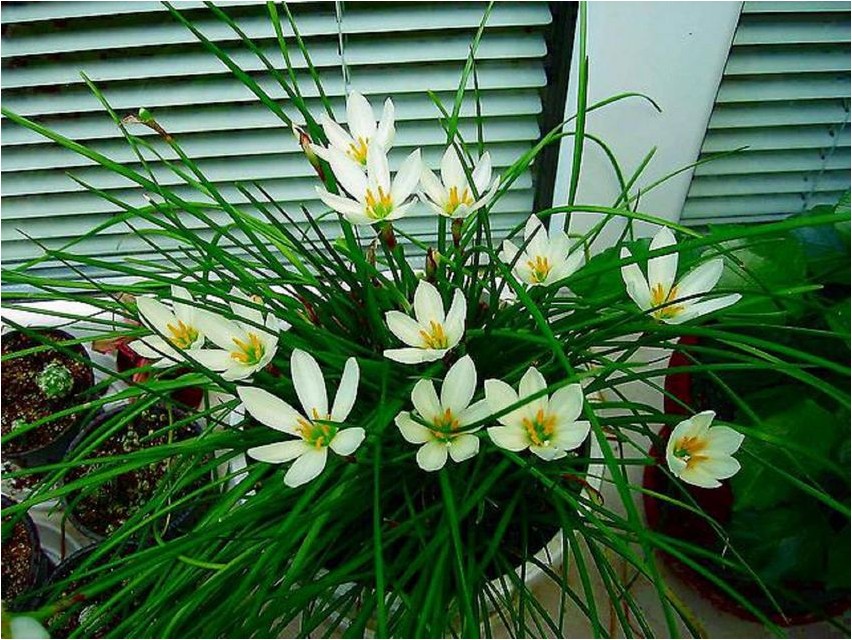
White Zephyranthes is also known by such names as snow-white zephyranthes, upstart, and water lily. The Latin name for this plant is Zephyranthes candida.
White Zephyranthes belongs to the amaryllidaceae family, and its Latin name is Amaryllidaceae.
Description of White Zephyranthes
To ensure the white zephyranthes thrives, it should be provided with full sun or partial shade. Furthermore, humidity should be maintained high, and during the summer, it is important to water it generously. White zephyranthes is a bulbous plant. It is recommended to grow this plant not only on sunny windowsills, but also in conservatories. It is also a beautiful addition to balconies throughout the summer. It reaches a maximum height of about forty-five centimeters. Description of the care and cultivation features of white zephyranthes
It should be noted that repotting is recommended for this plant: this procedure should be performed either once or twice a year. As for the soil mixture itself, you will need two parts leaf mold, one part turf, and one part sand. The acidity of this soil should be maintained at a slightly acidic level. It is important to remember that white zephyranthes can occasionally become infested with spider mites. Furthermore, drying out the soil can have a very negative impact on the plant’s development.
During the entire dormant period of white zephyranthes, an optimal temperature of approximately 10-15 degrees Celsius should be maintained. Watering and humidity should be maintained at a moderate level throughout this period. Indoors, white zephyranthes will experience a forced dormancy period due to insufficient humidity and low light levels. The dormant period will last from October to February. White zephyranthes can be propagated either by bulblets or by sowing seeds. To obtain seeds, artificial pollination of the plant’s flowers will be necessary.
It’s worth noting that if white zephyranthes don’t have a dormant period, the plant’s flowering will be quite weak. It’s recommended to move the pot outdoors throughout the warm season, choosing a spot in partial shade. It’s also important to remember that adding unrotted organic matter, such as manure, to the soil is highly unacceptable. If these substances are added to the soil mixture, the bulb may rot. However, this applies to all bulbous plants.
The flowers of white zephyranthes are decorative. The leaves are quite narrow and strap-shaped, reaching up to forty-five centimeters in length and just under half a centimeter in width. These leaves are dark green in color. The plant blooms in summer and fall. The flowers themselves can range from white to cream. The flowers of the white zephyranthes are solitary, borne on peduncles, and reach approximately four to six centimeters in diameter. The perianth of this plant is funnel-shaped. It should be noted that the flowers appear simultaneously with the leaves. Zephyranthes flowers appear outside the rosette, from the previous year’s bud.

White zephyranthes (upstart) – care at home. Planting depth of zephyranthes bulbs.
White zephyranthes (zephyranthes)