Saxifraga
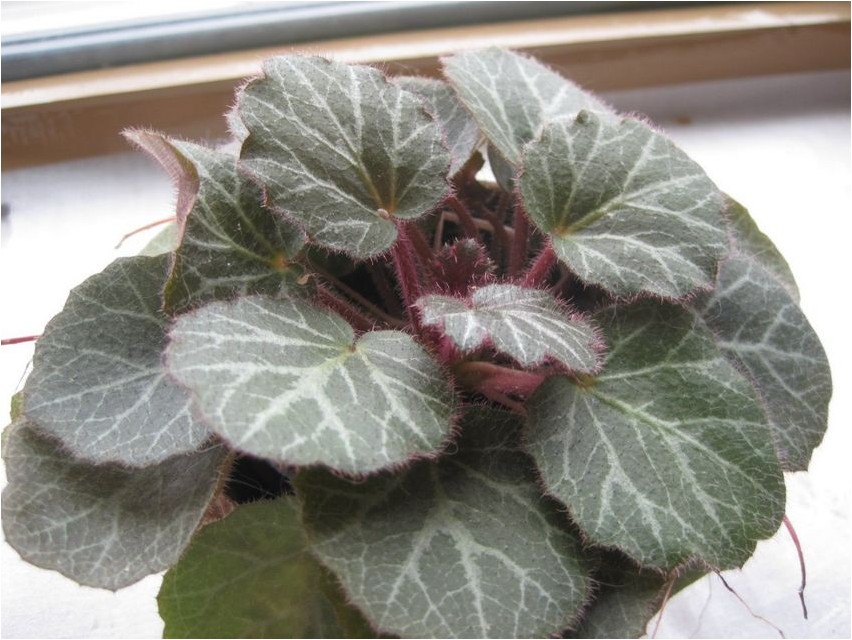
Saxifraga saxifrage is also sometimes known as saxifrage saxifrage and saxifrage wattle.
In Latin, the name of this plant is as follows: Saxifraga stolonifera. Saxifraga is one of the plants of the family called Saxifragaceae; in Latin the name of this plant is Saxifragaceae.
Description of Saxifraga
The plant will prefer light conditions to partial shade or shade. During the summer period, abundant watering of Saxifraga should be provided, and air humidity should be kept at an average level. Life form: herbaceous plant.
This plant can be grown indoors on any window. In addition, quite often Saxifraga can be found in numerous general purpose premises, as well as in winter gardens as a ground cover plant. Also, very often, Saxifraga is also grown as an hanging plant, both in flower pots and in hanging baskets. As for the maximum size of this plant, it will be about ten to fifteen centimeters in height, but its tendril shoots can reach a length of even one meter.
Features of care and cultivation of saxifrage
The plant should be replanted approximately every two to three years. For replanting, you will need to use either standard size pots or wide but shallow containers. As for the composition of the soil mixture, you will need to take one part each of turf soil and sand, as well as two parts of leaf soil. The acidity of such soil should be either neutral or slightly acidic.
It is important to remember that the root system of this plant is not only superficial, but also quite weak. For this reason, one should not allow the soil to become too waterlogged or to dry out excessively. If Saxifraga is exposed to direct sunlight for quite a long time, burns may occur on the leaves, which will be expressed in very noticeable brown spots.

You should also avoid insufficient lighting of this plant: in this case, the petioles of the leaves may become very elongated, and the leaves will lose their bright color. In some cases, damage to saxifraga may occur through aphids and spider mites.
Throughout the entire rest period, you will need to ensure a temperature regime of approximately ten to fifteen degrees Celsius. In indoor conditions, such a dormant period is considered forced and occurs because the plant will not receive sufficient air humidity and light levels. The dormant period of Saxifraga begins in October and continues until February.
Reproduction of this plant can occur with the help of daughter rosettes, the formation of which occurs at the ends of the tendril shoots. In addition, it is extremely rare to use propagation through seeds.
It is important to remember that the plant does not require spraying. This circumstance is due to the fact that the leaves of Saxifraga are pubescent and the slightest moisture retention can cause not only the appearance of spots on the leaves, but also their complete rotting.
In the interval between waterings, it is imperative to allow the soil to dry by about two to three centimeters. In summer, it is recommended to expose the pot with the plant to fresh air.
The leaves of this plant are endowed with decorative properties. The diameter of the leaves will be about seven centimeters, the color of the leaves will be olive green, they have white veins, and their undersides are painted in purple tones.