Kinkan oval
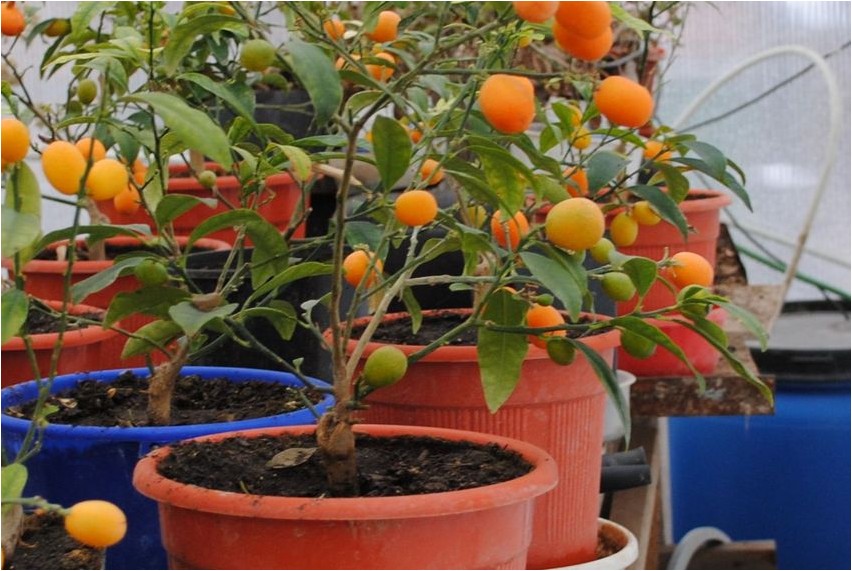
Kincan oval is one of the plants of the family called Rutaceae; in Latin the name of this plant is as follows: Fortunella margarita.
As for the name of this family itself, in Latin it will be like this: Rutaceae.
Description of the oval kinkan
It should be noted that the oval kinkan can hardly be called a particularly fastidious plant to care for, however, it is recommended to carefully observe some growing features. Throughout the summer, it is important to provide moderate watering to this plant, and it is recommended to maintain air humidity at an average level. As for the light regime, both partial shade and sun are acceptable. The life form of Kinkan oval is an evergreen tree.
Kinkan oval can be found not only in winter gardens, but also in bonsai culture. As for growing this plant indoors, it is recommended to select light windows, with the only exception being light windows. The height of the oval kinkan can reach approximately two meters.
Description of the features of care and cultivation of oval kinkan
As already mentioned, the oval kinkan is not particularly demanding to care for, but you should not dramatically change the conditions for keeping this plant. The plant requires replanting approximately every two to three years; for this, pots of standard proportions should be used. As for the soil, to prepare such a soil mixture, you should mix one part each of leaf soil and sand, as well as two parts of turf soil.
It is important to remember that excessive waterlogging of the soil can have an extremely negative impact on the development of this plant: in this case, the roots of the oval kinkan can rot. Low air humidity should also not be allowed, otherwise the leaves of this plant will not only turn yellow, but also fall off. In some cases, the oval kinkan is attacked by rust, spider mites, mealybugs and scale insects.

Throughout the entire dormant period of this plant, experts recommend providing the oval kinkan with the following optimal temperature regime: from ten to fourteen degrees Celsius. This plant will also require moderate watering, and standard air humidity. Under the conditions of growing this plant indoors, such a period of rest will be forced. The dormant period begins in October and continues until February, and the reasons for the dormant period will be both low air humidity and insufficient light levels.
Reproduction of kinkan oval can occur through cuttings, and the rooting temperature should be approximately twenty-five degrees Celsius. In addition, it is also possible to propagate the plant by sowing seeds, but it should be taken into account that the seedlings will not bloom soon.
It is important to remember that the crown of this plant should be shaped by pruning. Not only flowers and fruits, but also the leaves of the oval kinkan are endowed with decorative properties. The leaves of this plant are colored green, they are leathery, and the shape of these leaves will be ovoid-oval. This plant blooms in both spring and summer. The flowers of Kinkan oval are axillary; they can be either single or two to four flowers. The fruits will be approximately the size of a plum, their pulp has a sweet and sour taste, while the peel of the oval kinkan fruit will be sweet. The fruits are colored orange, and the fruiting period occurs in both summer and autumn. The stem of this plant is not endowed with thorns, and the plant itself has a particularly pleasant aroma.