Oxalis triangularis
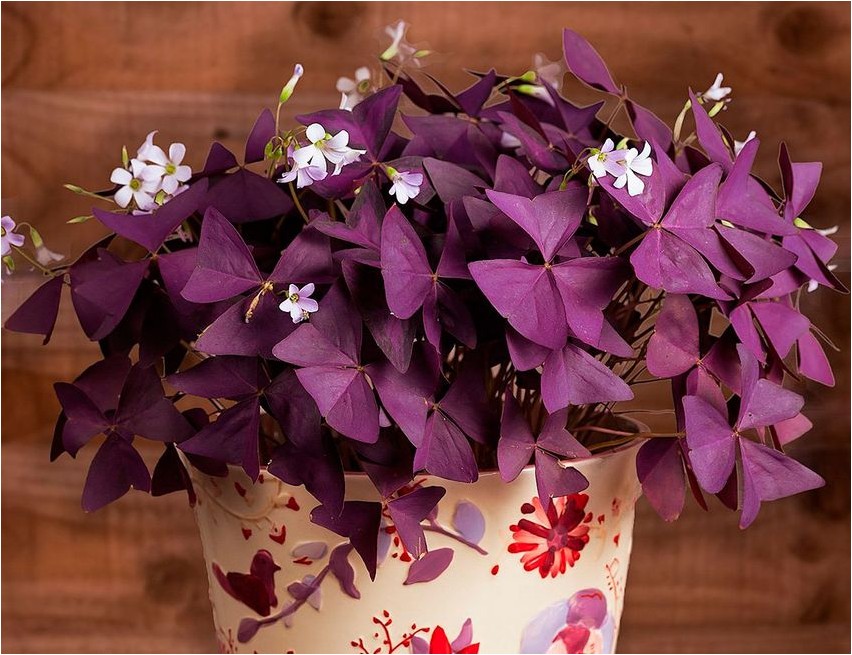
Triangular oxalis is one of the plants of the family called oxalis; in Latin the name of this plant will be as follows: Oxalis triangularis. As for the Latin name of the family itself, it will be: Oxalidaceae.
Description of triangular sorrel
In order for the triangular sorrel to develop favorably, it will be necessary to provide this plant with either a sunny light growing regime or a partial shade regime. It is noteworthy that throughout the entire summer period, watering should remain plentiful, and air humidity should always be maintained at an average level. The life form of triangular sorrel is a rhizomatous plant.
This plant is recommended to be grown not only in winter gardens, but also indoors. As for growing triangular wood sorrel at home, you should select windows of any orientation, with the exception of northern windows. As for the maximum size in culture, the height of triangular sorrel can reach approximately fifteen to twenty-five centimeters.
Description of the features of care and cultivation of triangular oxalis
For the favorable development of triangular oxalis, regular replanting is required, which should be performed approximately once every year or two. In this case, pots of standard parameters should be used. To grow triangular wood sorrel, it is important to choose the following soil mixture: mix two parts of leaf soil, as well as one part each of sand and peat soil. The acidity of such soil can be either neutral or slightly acidic.
In no case should the temperature drop below twenty degrees, as well as insufficient lighting. Otherwise, the petioles of the leaves of this plant will stretch out quite strongly, and the leaf blades themselves will become very small, and triangular sorrel will not bloom. If the temperature is above fifteen degrees, then it is recommended to increase the degree of air humidity, and in this case, spraying the leaves is not required.
In winter, the triangular sorrel will either shed some of its leaves or all of them. It is worth noting that the number of fallen leaves will be directly dependent on the conditions under which this plant is kept throughout the winter season.

Throughout the rest period, the optimal temperature should be maintained in the range between five and ten degrees Celsius. Air humidity should remain average, but watering should be moderate. It should be noted that in the case when the plant has completely shed all its leaves, starting from October and ending in February, the rhizome of the plant will not require any watering.
Reproduction of triangular sorrel can occur by dividing the rhizome, which should be done when transplanting this plant. It is worth noting that gardeners less often use propagation through seeds.
As for the specific requirements of this culture, when the air temperature is no higher than fifteen degrees, the plant is able to tolerate a fairly dry atmosphere in room conditions. It is recommended to transfer this plant to open ground in both spring and summer.
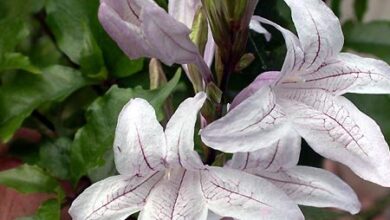
The leaves and flowers of triangular sorrel are endowed with decorative properties. The leaves are trifoliate, they are on rather weak stalks, and each lobe of the leaves will be angular. The leaves are colored in beetroot tones, with a lighter spot in the middle of each lobe. This plant blooms either in spring and summer, or in autumn and winter, which will directly depend on the variety of triangular sorrel. The flowers of this plant are colored white or pink.