Dog belly button
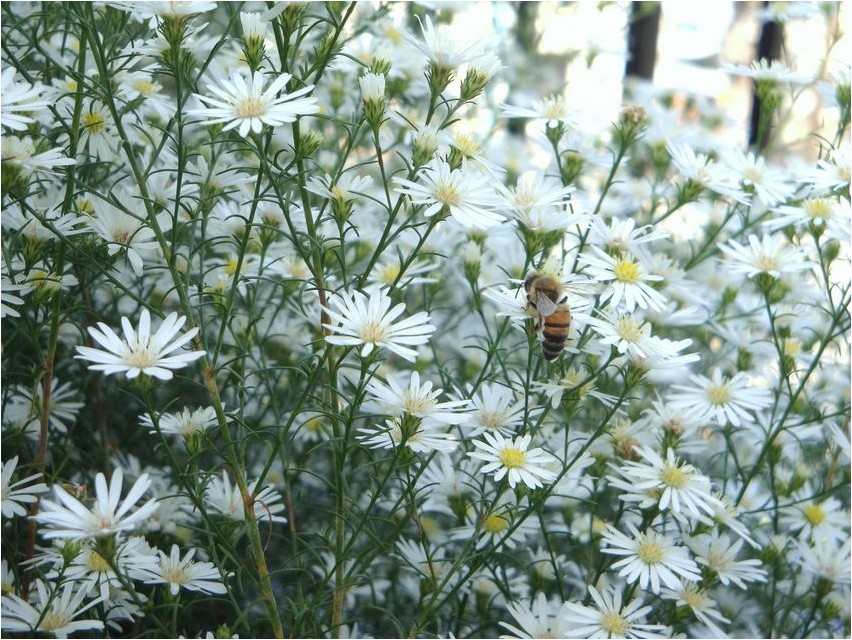
The dog’s navel is one of the plants of the family called Asteraceae or Asteraceae; in Latin the name of this plant will be as follows: Anthemis cotula.
As for the name of the canine navel family itself, in Latin it will be like this: Asteraceae Dumort. (Compositae Giseke).
Description of a dog’s umbilicus
Dog’s navel or stinking belly button is an annual herbaceous plant, the height of which will fluctuate between fifteen and thirty centimeters. Such a plant will be endowed with a very unpleasant odor, which is similar to the smell of the cinnamon button. The root of the dog’s navel is quite thin, and the stem can be either erect or erect. Usually the stem of this plant will be branched from the very base, and also pubescent with thin hairs, but it can also be bare. The main difference between the dog’s navel and the dye’s navel is the presence of white marginal flowers. the marginal sterile flowers will have tongues that are oblong-elliptical in shape; at the very base, the tube of the disk flowers is expanded, and the achene will be round in diameter.
This plant blooms from May to August. Under natural conditions, the canine navel is found in Central Asia, Belarus, Ukraine, the Caucasus and all regions of the European part of Russia, with the exception of the Dvina-Pechora region. For growth, this plant prefers garbage areas, meadows, sandbanks of rivers and places along roads.
Description of the medicinal properties of canine navel
The dog’s navel is endowed with very valuable healing properties, and it is recommended to use the inflorescences and grass of this plant for medicinal purposes. The term grass includes flowers, stems and leaves.
The presence of such valuable healing properties should be explained by the content of heterocyclic oxygen-containing compounds, flavonoids, essential oil, steroids, sesquiterpenoids, triterpenoid taraxol, diterpenoid phytol, polyacetylene and sulfur-containing compounds in this plant.

An infusion prepared from the canine navel herb should be used as a diuretic, anthelmintic and antispasmodic. Externally, this healing agent is used as a wound-healing agent in the form of washes, lotions and compresses. As an antitumor agent, it is recommended to use ointment, paste and juice of the canine umbilicus herb. An infusion of this plant in the form of enemas is used for flatulence.
As for traditional medicine, here this plant is very widespread. Infusion and decoction prepared from inflorescences and leaves should be used as a general tonic and anticonvulsant, and also used to stimulate regulation and for migraines. A decoction based on the inflorescences can be used as an anthelmintic and can also be used for malaria and metrorrhagia. In addition, quite often children are bathed in such a decoction in case of fright.
For migraines, it is recommended to use the following very effective remedy based on this plant: to prepare such a healing remedy, you will need to take about two teaspoons of canine grass per glass of boiling water. The resulting medicinal mixture is first infused for about three to four hours, and then filtered very carefully. Take this remedy based on this plant three to four times a day, one tablespoon. If used correctly, this remedy based on dog’s belly button will be very effective.





