Common groundsel
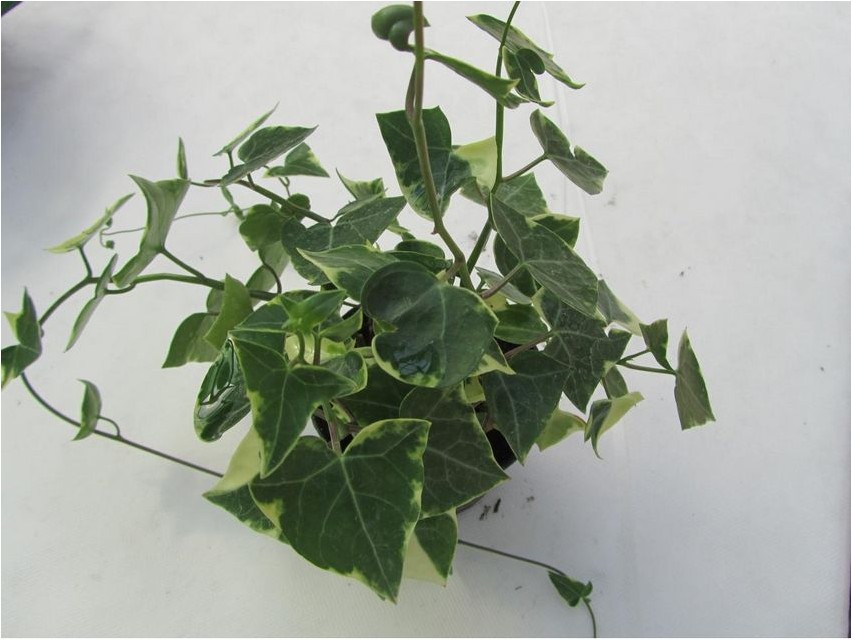
The large-tongued ragwort is also known as false ivy; in Latin the name of this plant will be as follows: Senecio macroglossus.
The large-tongued ragwort is one of the plants of the family called Asteraceae; in Latin the name of this family will be: Asteraceae.
Description of the large-tongued ragwort
For the favorable development of this plant, it will be necessary to provide it with moderate watering throughout the summer season, and it is also important to maintain the air temperature at an average level. As for the light mode itself, both sun and partial shade are suitable. The life form of the large-tongued ragus is a leaf succulent.
It should be noted that this plant is poisonous. When handling the plant, be aware that its juice can cause skin irritation. Large-tongued ragwort can be found not only in indoor conditions, but also in general purpose premises. To grow plants, it is recommended to choose bright windows, with the only exception being north-facing windows. In addition, large-tongued ragus is often found in greenhouses and winter gardens.
As for the maximum size in culture, the shoots of this plant can reach a length of about one meter.
Description of the features of care and cultivation of large-tongued ragus
It is quite difficult to call the large-tongued ragus a demanding plant to care for, however, certain growing conditions must be observed. Approximately once every year to three years a transplant is required. To replant this plant, you should use either hanging pots or wide and shallow pots. As for the composition of the soil mixture itself, you will need to mix sand, turf and leaf soil in equal proportions. The acidity of such soil should be slightly acidic.

It is important to remember that the plant can rot quite quickly if the soil is kept overly moist for a long period. In some cases, damage to the large-tongued ragus occurs by mealybugs, rot, spider mites and aphids.
Throughout the rest period, it is important to maintain an optimal temperature in the range between ten and fifteen degrees. Watering should be provided infrequently, and air humidity should be kept at an average level. It should be noted that such a period of rest will be forced when the plant is grown indoors. The dormant period will begin in October and last until February, and the reason for this period is the insufficient degree of illumination and rather low air humidity.
Reproduction of large-tongued ragus occurs through rooting cuttings. As for the specific requirements of this crop, it should be remembered that the plant will need support. In addition, stagnation of water in the soil can have an extremely negative impact on the development of the plant.
Not only the flowers, but also the leaves of the large-tongued ragus are endowed with decorative properties. The length of the leaves of this plant is approximately five to eight centimeters, these leaves are almost triangular in shape, they are endowed with a waxy coating and are shiny. The color of the leaves of the plant will be dark green or white-yellow; the leaves themselves are lobed and very reminiscent of ivy leaves. Flowering of the large-tongued ragus most often occurs in winter and spring. The flowers of the plant are painted in bright yellow tones. The diameter of such flowers reaches five centimeters, and the flowers themselves are single. In addition, the shoots and petioles of this plant are also attractive.