Rebutia white-flowered
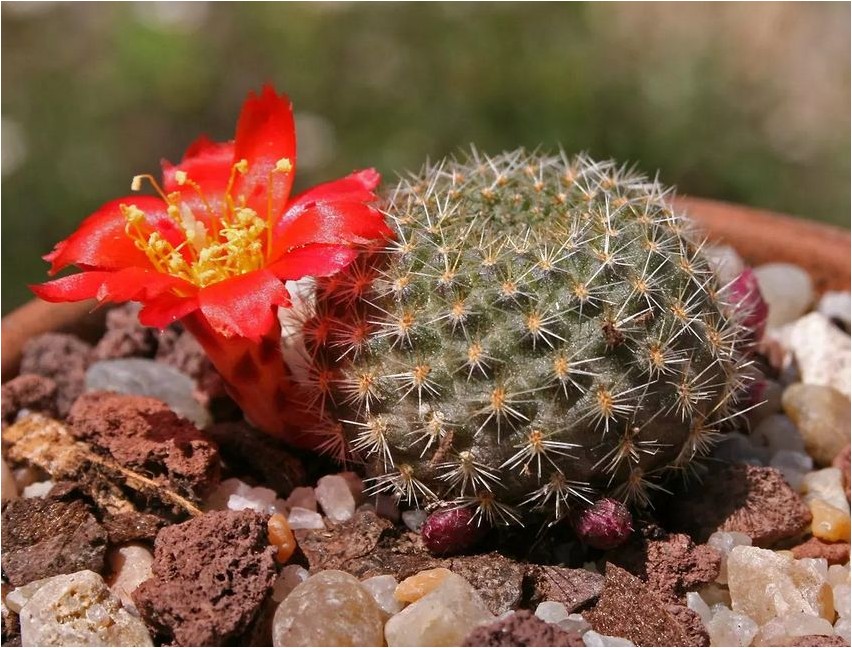
Rebutia albiflora is also known as rebutia albiflora; in Latin the name of this plant will be as follows: Rebutia (Aylostera) albiflora.
Rebutia white-flowered is one of the plants of the family called cactaceae; in Latin the name of this family will be: Cactaceae.
Description of Rebutia whiteflower
For the favorable development of this plant, it will be necessary to provide it with a sunny light regime. Throughout the summer, watering should remain moderate. As for the degree of air humidity, it should remain quite low. The life form of Rebutia whiteflower is a succulent.
This plant is quite often grown both in summer greenhouses and on balconies. When the plant grows indoors, the pot with Rebutia white-flowered should be placed exclusively on southern windows.
Description of the features of care and cultivation of Rebutia whiteflower
In order for this plant to develop favorably, it will need to be replanted as it grows. Rebutia white-flowered should be replanted after the spring flowering period ends. When replanting, it is important to select shallow containers that will fully correspond to the size of the root system. As for the composition of the soil mixture itself, this soil should be light, loose and quite nutritious. This mixture should consist of peat chips, garden soil and humus. One-third of the loosening components, namely gravel, coarse sand, brick chips and expanded clay, should also be added to such a mixture. The acidity of this soil soil should remain slightly acidic.
When there is a lack of sunlight, the plant can quickly lose its shape, and the flowering of this plant will also not occur. In this case, Rebutia white-flowered will also form underdeveloped spines. Regular treatments with pesticides are very important for the development of this plant, which should be done for preventive purposes. Actually, this circumstance should be associated with the fact that the plant will be easily affected by mites.

Throughout the entire dormant period, it is very important for this plant to maintain an optimal temperature regime of five to ten degrees Celsius. This period of rest will begin in October and last until April. It is noteworthy that Rebutia white-flowered should not be watered all this time.
Reproduction of this plant occurs through seeds, as well as with the help of lateral shoots, which will take root quite easily after drying for a short time. It is important to include the need for maximum sunlight among the specific requirements of this crop, however, in the spring, white-flowered rebutia should be protected from abundant sunshine. The plant also requires fresh air, and in the summer, the pot with Rebutia white-flowered should be taken out into the open air, but one should not forget about reliable protection from rain.
Spraying also plays an important role for the favorable development of white-flowered rebutia, which should be done even during the dormant period.
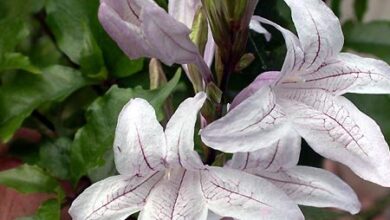
Not only the flowers, but also the stem of Rebutia white-flowered are endowed with decorative properties. The flowering of this plant will last from March to June. The flowers of Rebutia whiteflower can be painted in white or cream tones. The rather thick and soft white spines also look very decorative. The tiny soft stems of this plant will not exceed two centimeters in length.