Fenugreek
Fenugreek (lat. Trigonella) is a genus of herbaceous plants, among which there are annual and perennial plants. The genus Fenugreek belongs to the wonderful legume family (lat. Fabaceae).
Among almost a hundred species of plants of the genus, there are many species that are useful for humans and have healing abilities. The plants have a very simple appearance, displaying trifoliate leaves, butterfly-type flowers and a pod fruit. In Ancient Egypt, Rome and Ancient Greece, Fenugreek was grown to feed livestock, but was later replaced by other cereal crops. Recently, people have again paid attention to certain species of the genus, remembering the old ones and discovering new medicinal abilities of their leaves and fruits. Plant seeds are used in cooking.
What’s in your name
The Latin name for the genus “Trigonella” is based on the word “Trigon”, meaning “triangle”. The reason for this name was most likely the trifoliate leaves of plants of the genus, which together form a triangle shape.
Description
The underground part of the plants is represented by a thin long root, from which shorter roots extend in all directions, covered with adventitious roots. Such a root allows the plant to collect nutrients from a relatively large area of soil, because annual plants require good nutrition in order to go through a full vegetation cycle in one warm season. And such a root is good for perennial plants.
The vertical or ascending stem of plants is relatively short in height, varying from twenty to sixty centimeters depending on the type of plant and environmental conditions.
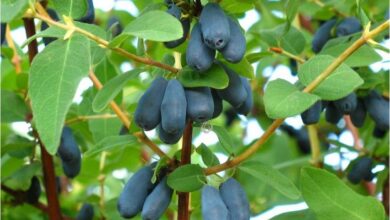
The stem is covered with short-petioled leaves, arranged in threes on one petiole. Botanists call such leaves “trifoliate.” The shape of the leaflets is lanceolate, obovate. Pointed stipules are finely pubescent.

From the axils of the leaves, racemose or umbrella-shaped inflorescences, or single or paired miniature flowers of the moth type are born. The corolla of the flower is protected by a tubular calyx made of green sepals. The petals of the corolla in different species can be painted white, blue, yellow, and purple.
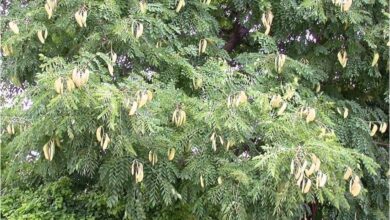
The crown of the growing season is the bean pod, which can be straight or curved, usually having a long spout. Inside the pod there are beans of irregular shape in quantities from three to twenty pieces.
Usage
There were times when people successfully used certain species of plants of the genus as feed for livestock. Wild animals also readily ate Fenugreek.
As a cultivated plant, Fenugreek was known on the Asian and African continents, and only later did it appear in Europe and America.
It so happened that later Fenugreek was forgotten, and today, when humanity is plagued by diseases such as diabetes and cancer, the healing plants of the Fenugreek genus, the fruits of which were once worth their weight in gold, began to be remembered again. Doctors and pharmacists conduct laboratory studies of the fruits of Fenugreek (Latin Trigonella foenum-graecum), rediscovering its unique healing abilities.
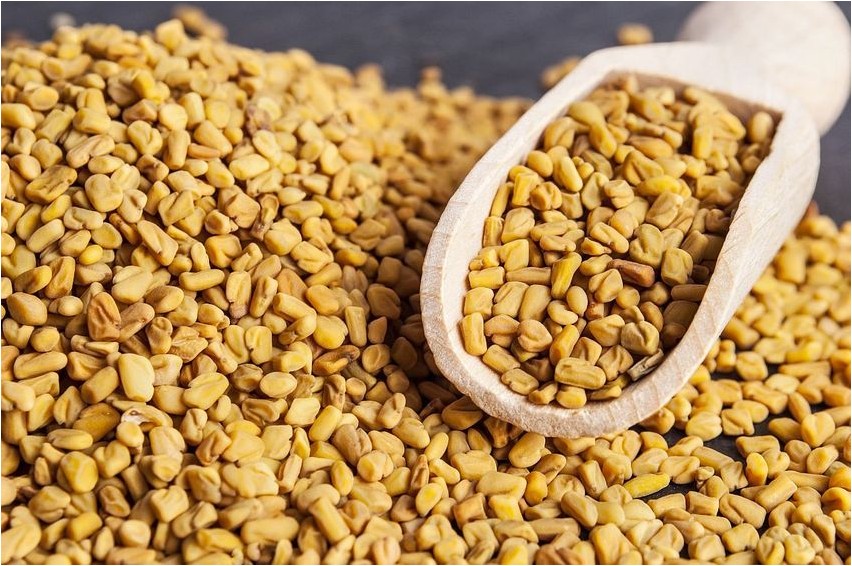
And the Bedouins of the Egyptian deserts have long been using the seeds of Fenugreek, which they, however, call differently, “Helba”. For tourists who love extreme types of recreation, cutting through the sandy expanses on quad bikes, the Bedouin service offers to try “yellow tea” made from Helba seeds. This tea heals problems of the digestive system, increases appetite, manages to lower blood sugar levels, and also lowers off-scale blood pressure.
Helba is also used in the preparation of various dishes, flavoring cheese, adding as a spice to meat dishes, soups, various smoked meats and confectionery.