Creeping wheatgrass
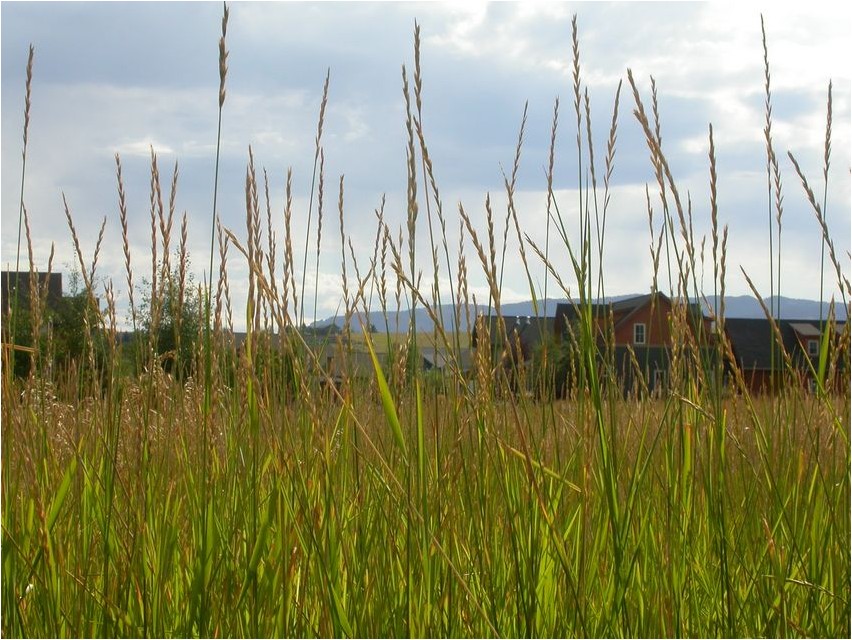
Wheatgrass is one of the plants of the family called Poaceae; in Latin the name of this plant will be as follows: Elitrigia repens L.
As for the name of the creeping wheatgrass family itself, in Latin it will be like this: Gramineae.
Description of creeping wheatgrass
Creeping wheatgrass is a perennial herbaceous plant, the height of which will fluctuate between sixty and one hundred and twenty centimeters. Such a plant is endowed with a creeping, rather long and branched rhizome, from which numerous and thin adventitious roots will extend. The stems of creeping wheatgrass are cylindrical, erect, single and smooth, and such stems will be hollow inside. The leaves of this plant will be vaginal, alternate and flat. Creeping wheatgrass flowers are collected in a spike-shaped inflorescence, which will be complex, two-row and quite long. The fruit of this plant is a grain.
Creeping wheatgrass blooms from June to July, and fruiting begins in August and continues until September. Under natural conditions, this plant is found in Belarus, Russia, Ukraine and the Central Asian republics. For growth, this plant prefers fallow lands, vegetable gardens, arable lands and steppe slopes.
Description of the medicinal properties of wheatgrass
Creeping wheatgrass is endowed with very valuable healing properties, and it is recommended to use the rhizomes of this plant for medicinal purposes. Such medicinal raw materials should be prepared either in early spring or late autumn.
The presence of such valuable healing properties is recommended to be explained by the content of fructose, avenin, fatty oil, levulose, fructan triticin, vitamin C, mannitol, carotene and mucus in the rhizomes of this plant. The grass will contain ascorbic acid, alanine and carotene.

As a very effective diuretic, it is recommended to use an infusion prepared from the rhizomes of wheatgrass for edema of various origins, dropsy, various inflammatory diseases of the urinary organs and urinary tract: including nephritis, urolithiasis and cystitis. An infusion based on the rhizomes of this plant is indicated for use as an analgesic for gallstones and urolithiasis, rheumatism, various arthritis, lumbago and gout.
An infusion prepared from the rhizomes of wheatgrass should be used as an expectorant, anti-inflammatory and emollient; it is used for enteritis, pulmonary tuberculosis, gastritis, cough, chronic bronchitis, excessive sputum, as well as for various diseases of the gallbladder and liver. To normalize intestinal function, you should use an infusion of the rhizomes of this plant; in addition, this remedy will be very effective for constipation.
Traditional medicine recommends using an infusion of rhizomes as a diaphoretic for fevers and colds. In addition, creeping wheatgrass has nutritional, restorative, tonic properties, and will also improve both appetite and sleep. These properties are explained by the content of vitamins and sugars in this plant. Preparations based on wheatgrass are used for diabetes mellitus, malignant tumors, to improve vision and for hypertension. It should be noted that medicinal products based on this plant are endowed with a very high degree of effectiveness, and the positive effect is noticeable quite quickly, depending on the intensity of the disease.





