Persian Chamomile
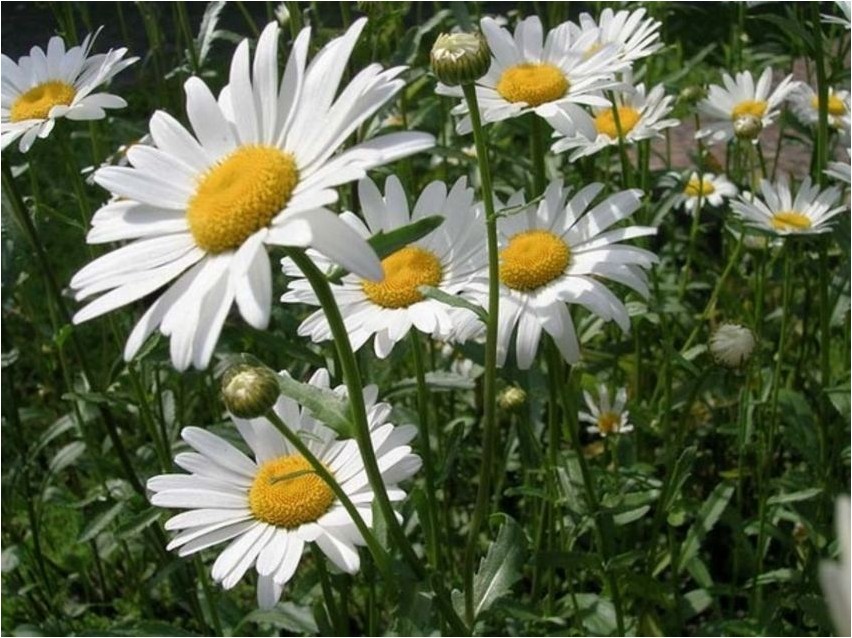
Persian chamomile is a member of the Asteraceae or Compositae family. Its Latin name is Pyrethrum carneum Brit. et Ruseum W. B.
As for the family name of Persian chamomile, its Latin name is Asteraceae Dumort. (Compositae Giseke).
Description of Persian Chamomile
Persian chamomile is known by many common names: flea herb, flea agaric, red chamomile, and bug herb. Persian chamomile is a perennial plant with a bare stem and pinnately dissected leaves and flowers in red tones, divided into oblong-lanceolate lobes. The height of this plant ranges between forty and seventy centimeters. The flowering period of the red chamomile begins in June and ends in July. This plant prefers high-altitude meadows in the subalpine and alpine zones of Iran and the Caucasus. It is noteworthy that red chamomile is also cultivated as an ornamental plant in Russia, France, Holland, and Germany.
Description of the medicinal properties of red chamomile
Red chamomile possesses valuable medicinal properties, and its flower heads are recommended for medicinal purposes. Harvesting this medicinal raw material is recommended throughout the entire flowering period.
The presence of such valuable medicinal properties is attributed to the presence of a toxic resinous substance called pyrethrin in the flower heads. Pyrethrin consists of a mixture of pyrethrol alcohol esters and chrysanthemum acids. It is noteworthy that this substance is very poisonous for various insects, but it is completely harmless to humans.
As for traditional medicine, here this plant is quite widespread. Traditional medicine in many countries recommends using the ground baskets of this plant in powder form to combat various harmful insects. Preparations created on the basis of chamomile, which contain pyrethrin, are indicated for use in exterminating flies, bedbugs, fleas and insects that will be pests of agricultural plants and parasites of animals. It is recommended to use pyrethrum powder itself, as well as a special liquid called flicid. In addition, it is quite acceptable to use an alcohol extract of chamomile or pyrethric extract.

Pyrethrum powder will be used to destroy insects and other carriers of infectious diseases in the following way: to do this, you will need to pollinate those places where such insects accumulate at the rate of approximately six to ten grams of powder per square meter.
In order to get rid of lice, it is recommended to dust the linen at the rate of six to eight grams of powder per steam, bedding is dusted at the rate of fifteen to twenty grams per set, and fifteen grams of this powder are used to dust outer clothing. All of the above procedures should be performed approximately once every six to eight days, which must be explained by the fact that this powder will not kill insect eggs, but will only affect the insects themselves. We should not forget about the important fact that such medicinal powder should be stored in a dry and dark place. It is important to note that with regular and competent use, the positive effect will be noticeable quite quickly.
357 Chamomile – and products that increase hemoglobin in the blood





