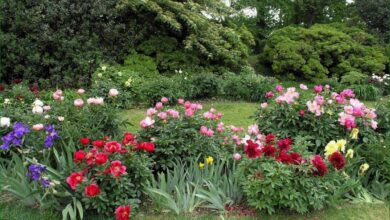
Begonia
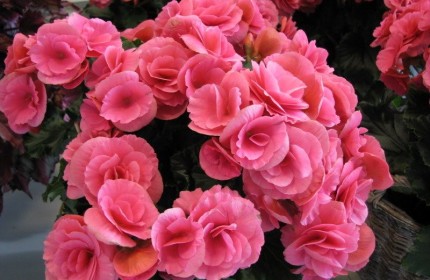
Indoor begonias are unpretentious plants; even the most inexperienced gardeners can grow them indoors.
They require minimal attention, but the results are stunning. There are a great many, approximately 2, 000, varieties of begonias in nature. These varieties are divided into three groups: tuberous, which propagate by tubers; foliose, which propagate by stem; and bush, which propagate by shoots and seeds. They differ in foliage coloring, flower color, and shape. Hybrids are primarily used for indoor cultivation, and are divided into decorative foliage and decorative flowering varieties. The most popular begonias among their “sisters” are tuberous and decorative flowering varieties, due to the beauty of their blooms and the wide range of colors. Begonias bloom for a long time, practically throughout the summer, but with proper care, they will bloom during the colder months as well.
Indoor begonias are disease-resistant This plant loves heat. The temperature should be between 15 and 20°C in summer, and should not drop below 15°C in winter. Begonias also need bright light, but not direct sunlight; shade should be provided during the hottest periods. In summer, water thoroughly, but avoid stagnant water in the saucer. In winter, water moderately. Use soft, settled water. When watering, be careful not to overwater the leaves, as this will cause stains. This plant loves moisture and requires high humidity, but should never be misted. A solution is to place containers of damp moss or expanded clay around the pot.indoor begonia photo
Begonia care and propagation 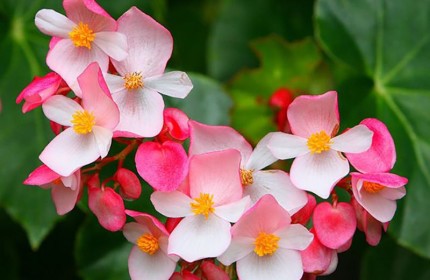 indoor begonia photo[/caption]
Indoor begonia photo
Propagation using a leaf 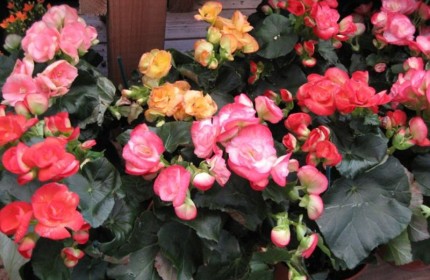 indoor begonia photo[/caption]
Begonias are replanted every year in the spring, as the plant grows quickly and its beauty may suffer due to crowding. Any pot will do, plastic or ceramic. The soil should not be too wet when transplanting. The plant is replanted as standard, like other house plants. Begonias should be fertilized from summer through fall using store-bought fertilizer specifically for begonias. After flowering, the plant needs to be dried by placing it in a dark place. Next, when the upper part of the flower dies, you need to remove the tuber from the ground. It should be stored in sand in a cool place with an air temperature of no more than +15°C, watering periodically

home begonia photo
When buying begonia in a store, you should pay attention to its appearance, carefully examine the leaves and flowers to ensure there are no pests or defects 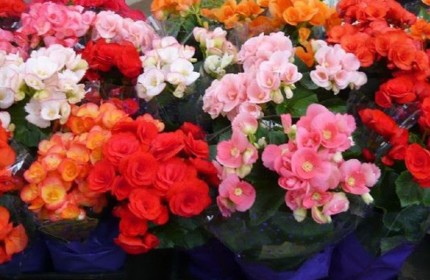 indoor begonia photo[/caption]
home begonia photo