Goat’s Wood Sorrel
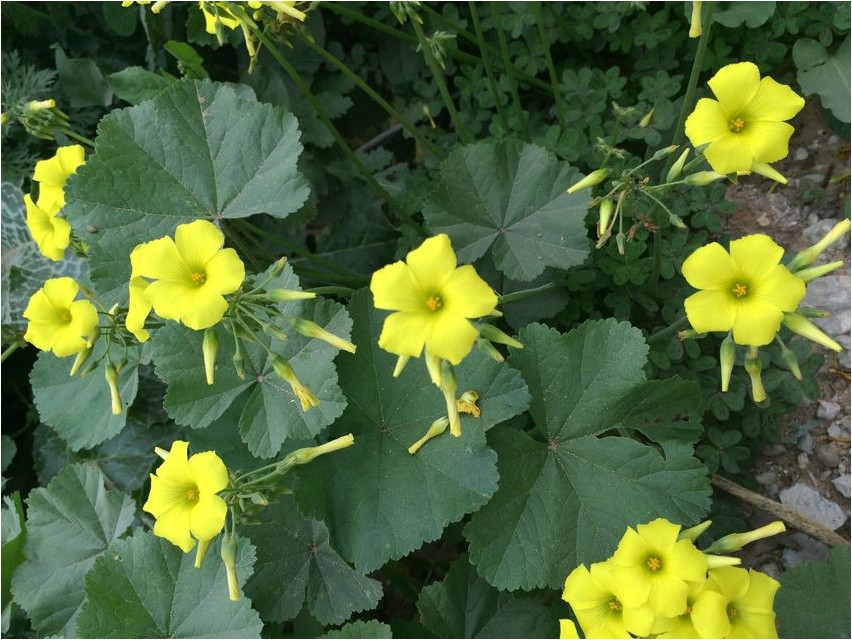
Goat’s Wood Sorrel (Oxalis pescaprae) is a herbaceous perennial plant of the genus Oxalis, belonging to the Oxalidaceae family. With thick, fleshy underground shoots, goat’s wood sorrel grows rapidly, taking over everything around it. When allowed to grow in a cultivated area, this vigorous growth, combined with its delicate leaves and bright yellow, funnel-shaped flowers, beautifies the landscape. However, for gardeners and vegetable growers, it is a real weed scourge. The leaves, flowers, and fleshy underground shoots are edible.
What’s in a name
While the Latin genus name “Oxalis” is easy to understand, since the Russian name “Kislitsa” is an exact translation, the species name is not so straightforward. The Latin specific epithet “pes-caprae” consists of two words and translates into Russian as “paw” and “goat.” When interpreting this choice, botanists are left with doubts about what prompted them to choose this particular epithet. Perhaps the shape of the individual leaflet of the plant’s compound leaf, with a deeper notch on the upper edge than other species in the genus, struck botanists as resembling a goat’s paw, or perhaps even the entire compound leaf. However, the individual leaflet is much more reminiscent of butterfly wings.
As often happens, the plant has many common names. Among them are such exotic varieties as: “Bermuda buttercup,” “African wood-sorrel,” “Sourgrass,” “Goat’s foot” (which supports the theory that the plant owes its species epithet to the shape of its compound leaf), and many others.
Description
Goat’s foot is a herbaceous plant capable of growing to a height of 10 to 50 centimeters, forming dense, extensive, picturesque thickets.
The extensive thickets and the plant’s perenniality are based on underground shoots surrounded by a network of fine rootlets. These same shoots produce bulbs containing nutrient reserves, which give life to the aboveground shoots. The underground shoots are milky white, relatively thick, and fleshy. They are quite edible, both in both raw and boiled.
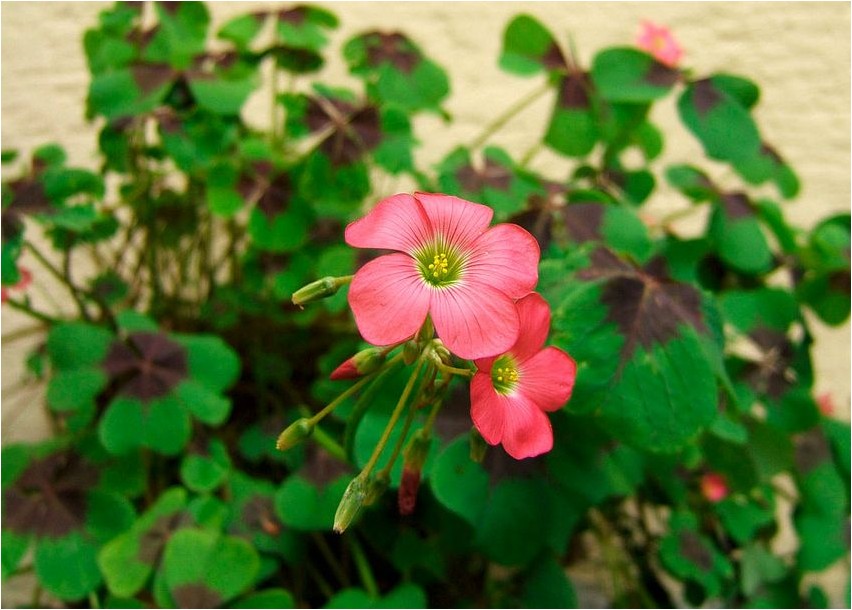

The above-ground part of the plant is represented by fleshy stems with petiolate compound leaves. Each leaf consists of three heart-shaped leaflets, the upper edge of which has a deep notch. The depth of the notch makes the leaves look even more like butterfly wings than a heart, as it is usually depicted on paper. In general, the complex leaf resembles three butterflies, sitting down to chat with each other about everyday matters. Botanists saw a goat’s foot in the shape of a leaf.
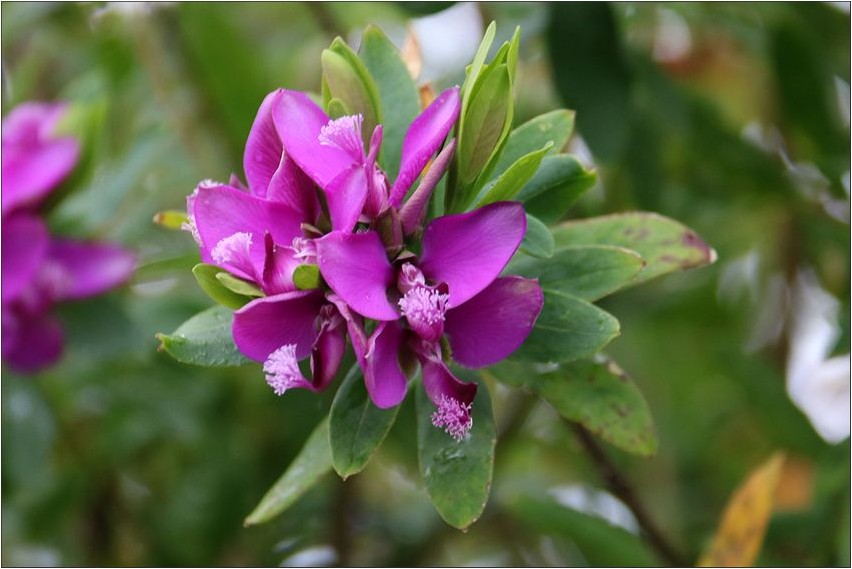
Tall peduncles, the length of which exceeds the green carpet of pretty leaves, show the world rather large funnel-shaped single flowers. Five almost fused sepals are protected by bright yellow petals, of which there are also five. From the depths of the throat, the pistil and stamens peek out into the world.
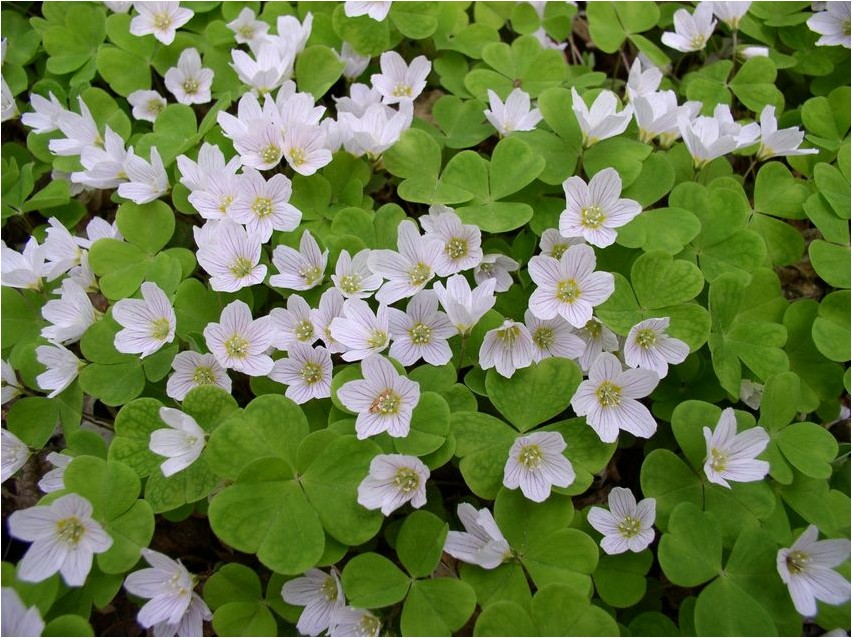
Usually the corolla of a flower is composed of one row of delicate oval-trapezoidal petals. But on the largest island of the Canary archipelago, Tenerife, these double flowers grow, representing Oxalis goat, which came to the island from South Africa. The length of the petals reaches 2-2. 5 centimeters:
The fruit of the plant is a seed capsule.
Usage
The high content of oxalic acid in the underground and aboveground shoots and leaves of Goat Oxalis, although it gives them a pleasant sour taste, in large quantities becomes dangerous to human health. In small quantities it is quite suitable for preparing various dishes, both raw and boiled.
The plant and traditional medicine are used when a diuretic is required, or to combat tapeworms that parasitize the human body. In the latter case, plant bulbs are used.
Golden yellow flower petals can be used to make yellow dye.
Goat sorrel!!! Kiryat Yam. Israel.
Oxalis Goat Oxalis





