Kaempferia
Kaempferia (lat. Kaempferia) is a genus of perennial plants of the Ginger family, including about 50 species. In nature, kaempferia is found in tropical Asia and Africa.
The genus received its name in honor of the German traveler, naturalist and botanist Engelbert Kaempfer.
Characteristics of culture
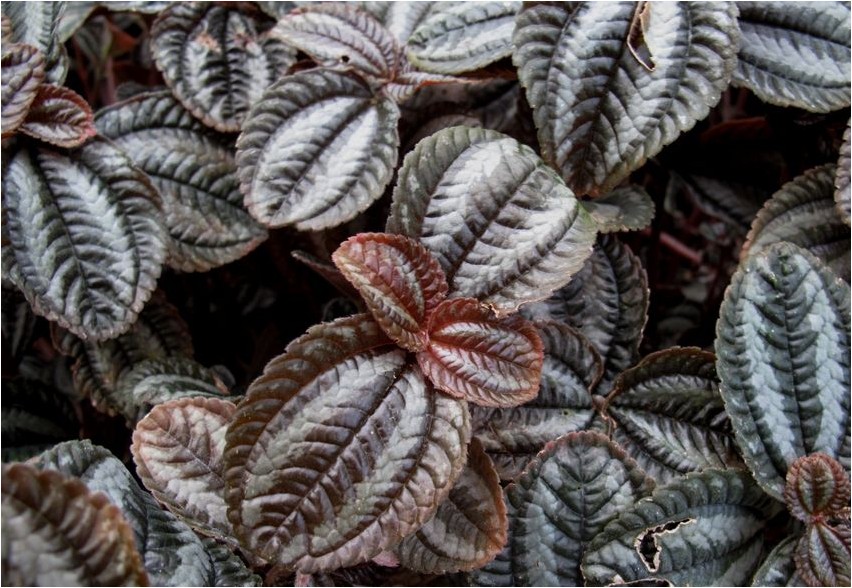
Kaempferia is a herbaceous rhizomatous plant up to 50-70 cm high. The vegetative organs, as well as the seeds of the crop, contain a large amount of essential oils that have a rich, specific aroma. The rhizomes of kaempferia are thickened and grow sympodially. The leaves are green and smooth. Some forms of kaempferia have leaves covered with a discreet and at the same time spectacular pattern.
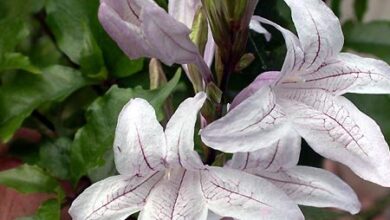
The flowers are fragrant, pink or white, three-petaled, with a bright pink or purple lip. Kaempferia blooms in June-August. Flowering times directly depend on growing conditions. Kaempfera is grown as a houseplant and garden plant; they can often be found in greenhouses and greenhouses.
Species
As is known, the genus Kaempferia has more than 50 species, but only two species are most widespread in culture:
*Kaempferia galanga (lat. Kaempferia galanga) is a beautiful flowering plant that grows mainly in South India and Southeast Asia.

*Kaempferia rotunda (lat. Kaempferia rotunda) is a plant with large patterned leaves, which are purple in color on the reverse side. Found naturally in Southeast Asia.
Subtleties of cultivation
Kaempferia is a heat-loving plant and has a negative attitude towards lower temperatures, even for a short period. Does not tolerate direct sunlight and develops best in semi-shaded areas. In indoor conditions, plants are kept on east or west windows. The optimal temperature for growth and development is 24-30C. In winter, the air temperature should not fall below 15C.
Camferias are propagated by seeds and division of rootstocks. In Russia, only the second method of reproduction is acceptable. The culture is quite demanding to care for and requires regular feeding and watering. When grown indoors, fertilizing is carried out from spring to autumn; with the onset of cold weather, fertilizing is stopped completely, and watering is sharply reduced. In the winter season, temperatures should not exceed 20-23C, since the rhizomes of the kaempfera are susceptible to fungal attack.
Application
First of all, kaempferias are valued for their decorative properties. They decorate the interiors of any premises. Kaempferias also look great in the garden, along with other flower crops. The only negative is that the culture can only develop in the southern regions, where there are no negative temperatures in the winter.
Some types of kaempferia are used as a spice; their roots are added to soups, marinades and sauces. In tropical countries, plants are used to treat malaria and colds. Decoctions from the root of Kaempferia galanga are useful for pain of various types and general ailments. In Asian countries, tonic and rejuvenating drinks are prepared from kaempferia.