Oil palm or Eleis
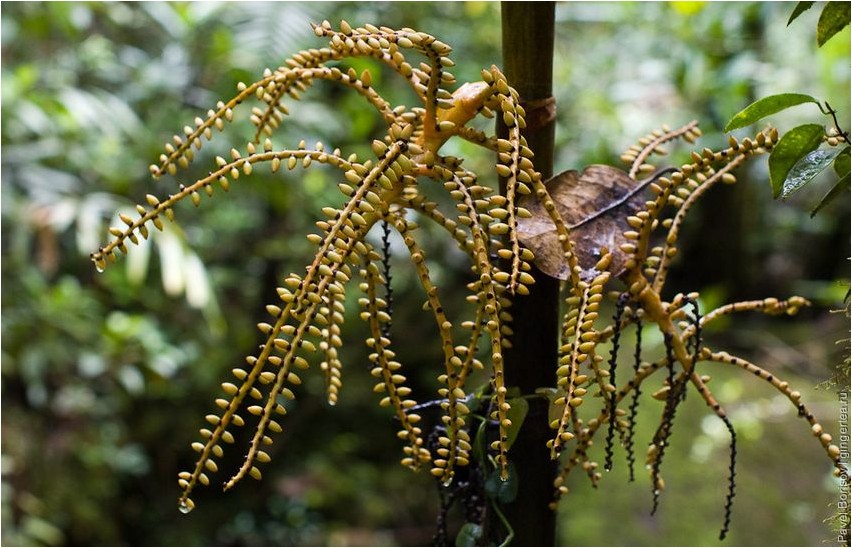
Oil palm, or Eleis (lat. Elaeis) is a genus of plants that has only two species, one of which grows in Africa and the other in South America.
The genus belongs to the Palm family (lat. Palmaceae). The oil palm is famous for its oil, which is obtained from the pulp of the plant”s fruit. This oil is widely used today in the food industry, causing conflicting opinions about its benefits and harms for the human body, especially for children.
What”s in your name
The Latin name of the genus “Elaeis” is based on a consonant Greek word meaning “oil”, and not just any oil, but one that in Russian has the adjective “liquid” or “vegetable”. Since palm oil, produced by humans from the fruits of palm trees of this genus since ancient times, is precisely vegetable and liquid, it gave rise to botanists to give the Latin name Palms.
Description
The oil palm is a single-stemmed tree over 20 meters high. The feathery leaves that form the crown at the top of the trunk reach a length of three to five meters.
The small flowers have three sepals and three petals, forming numerous dense clusters.
From the dense cluster of flowers, huge bunches are formed, consisting of reddish fruits the size of a large plum. Each fruit consists of a fleshy and oily shell, inside which is a palm kernel or seed. This seed is also rich in vegetable oil.

Two species of the genus “Elaeis”
1. Elaeis guineensis (lat. Elaeis guineensis), called African oil palm, or briefly, Oil palm, was born in the western part of the African continent, where since ancient times (five thousand years before the present day) palm fruits have been used by people to obtain oil. From there, the oil palm later moved to the island of Madagascar, and also moved to the Asian continent, to countries with a tropical climate. It is this type of palm tree that supplies people all over the world with palm oil.
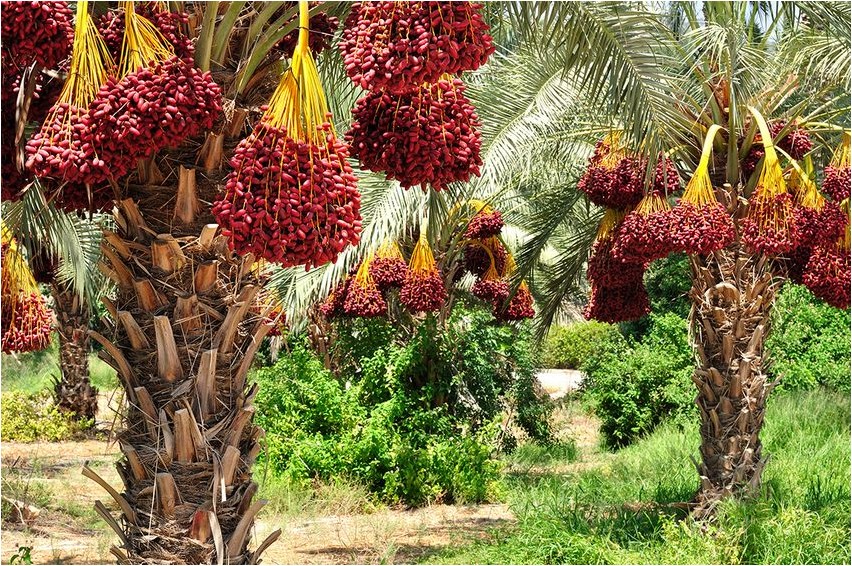
The African oil palm has a powerful root system that can provide nutrition and moisture for trees whose height can reach from 20 to 30 meters. Palm trees grow slowly, because they have nowhere to rush, since the lifespan of a tree reaches 120 years. At the beginning of its life, the palm tree resembles a shrub more than a tree, and only after three to five years does the tree trunk begin to form due to the petioles of dying leaves layering on top of each other.
The large, feathery, spreading leaves, which number between 20 and 40 on mature trees, partially die off annually, being replaced by fresh ones that form a fluffy crown at the top of the trunk. The strong leaf petioles are protected by sharp spines that can easily injure your hand.
Dense inflorescences of numerous small flowers emerge in the leaf axils, developing into huge clusters of fruits, which can be orange, purple, or black. Palm oil is produced from the fleshy pulp and the seed within this pulp.
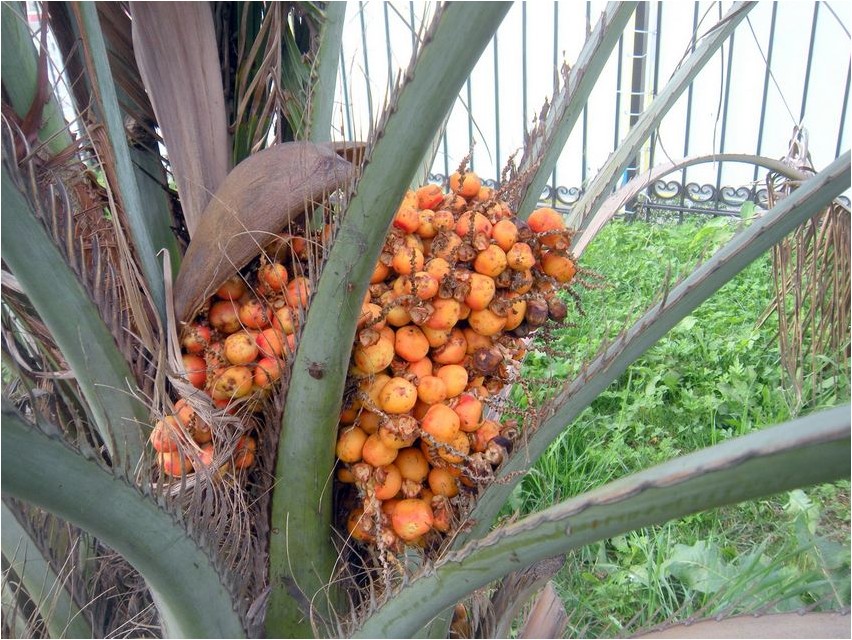
2. Elaeis oleifera, also known as the American oil palm, is native to South America. Although its fruits also produce vegetable oil, it is used locally, not for global markets. The fruit pulp is also used as a feed for livestock and for maintaining healthy and beautiful hair. Elaeis oleifera is much less common in nature than the previous species. It also produces a smaller tree than the African oil palm, and consequently, its fruits are much smaller than those of the leading species.
This doesn”t stop the American oil palm from delighting its owners four times a year with a harvest of red-orange fruits, the kernels of which yield a fatty oil similar in composition to coconut oil.
Oil palm or Eleis
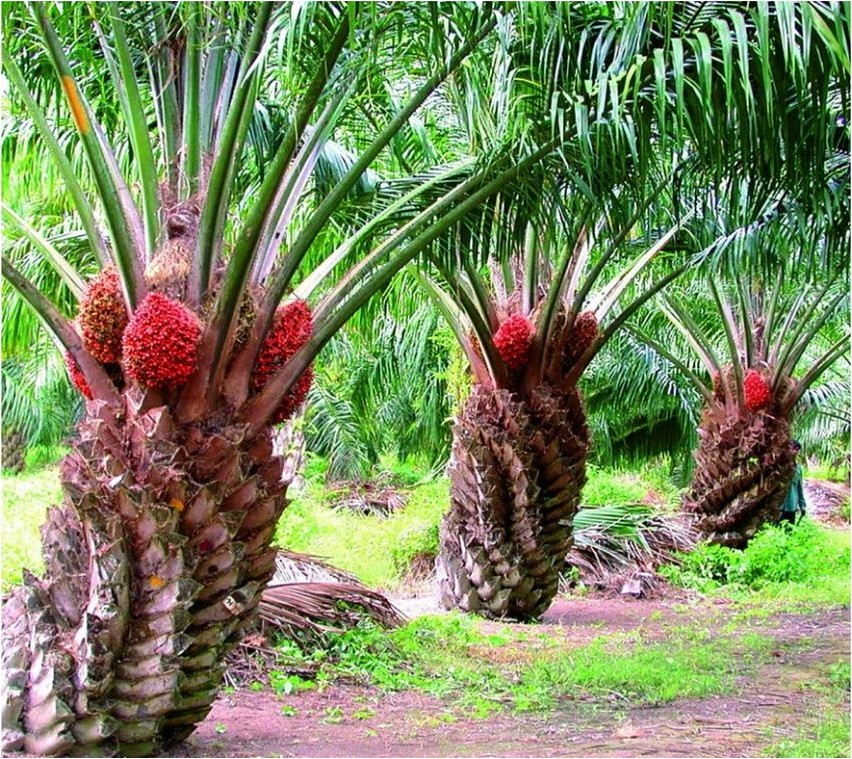
Oil palm is famous for its oil, which is obtained from the pulp of the plant”s fruits. This oil is widely used today in the food industry, causing controversy about its benefits and harms to the human body, especially for children. What”s in a name?
The Latin name of the genus “Elaeis” is derived from a similar-sounding Greek word meaning “oil”—not just any oil, but the kind that carries the adjective “liquid” or “vegetable” in Russian. Since palm oil, produced by humans from the fruits of this genus of palms since ancient times, is both vegetable and liquid, it inspired botanists to give the palms their Latin name.
What”s in your name
The Latin name of the genus “Elaeis” is based on a consonant Greek word meaning “oil”, and not just any oil, but one that in Russian has the adjective “liquid” or “vegetable”. Since palm oil, produced by humans from the fruits of palm trees of this genus since ancient times, is precisely vegetable and liquid, it gave rise to botanists to give the Latin name Palms.
Description
The oil palm is a single-stemmed tree over 20 meters high. The feathery leaves that form the crown at the top of the trunk reach a length of three to five meters.
The small flowers have three sepals and three petals, forming numerous dense clusters.
From the dense cluster of flowers, huge bunches are formed, consisting of reddish fruits the size of a large plum. Each fruit consists of a fleshy and oily shell, inside which is a palm kernel or seed. This seed is also rich in vegetable oil.
Two species of the genus “Elaeis”
1. Elaeis guineensis (lat. Elaeis guineensis), called African oil palm, or briefly, Oil palm, was born in the western part of the African continent, where since ancient times (five thousand years before the present day) palm fruits have been used by people to obtain oil. From there, the oil palm later moved to the island of Madagascar, and also moved to the Asian continent, to countries with a tropical climate. It is this type of palm tree that supplies people all over the world with palm oil.
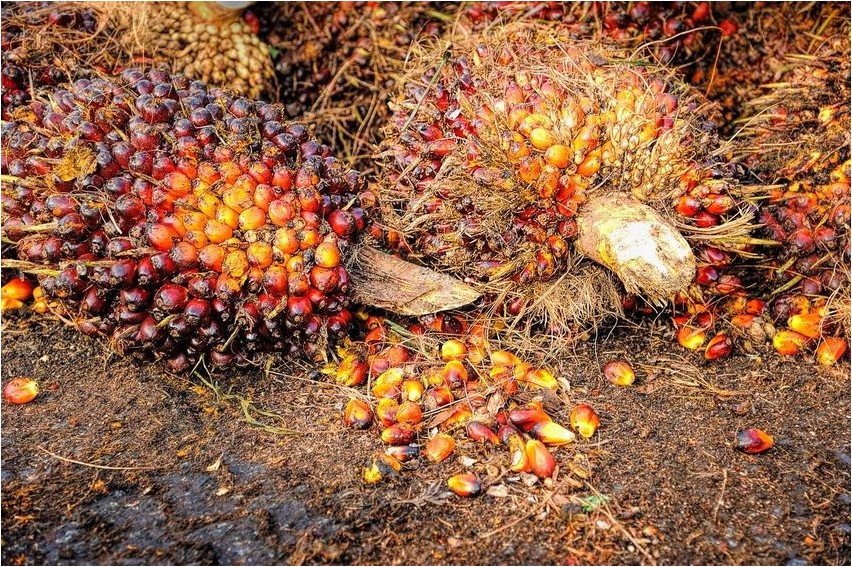
The African oil palm has a powerful root system that can provide nutrition and moisture for trees whose height can reach from 20 to 30 meters. Palm trees grow slowly, because they have nowhere to rush, since the lifespan of a tree reaches 120 years. At the beginning of its life, the palm tree resembles a shrub more than a tree, and only after three to five years does the tree trunk begin to form due to the petioles of dying leaves layering on top of each other.
The large, feathery, spreading leaves, which number between 20 and 40 on mature trees, partially die off annually, being replaced by fresh ones that form a fluffy crown at the top of the trunk. The strong leaf petioles are protected by sharp spines that can easily injure your hand.
Dense inflorescences of numerous small flowers emerge in the leaf axils, developing into huge clusters of fruits, which can be orange, purple, or black. Palm oil is produced from the fleshy pulp and the seed within this pulp.
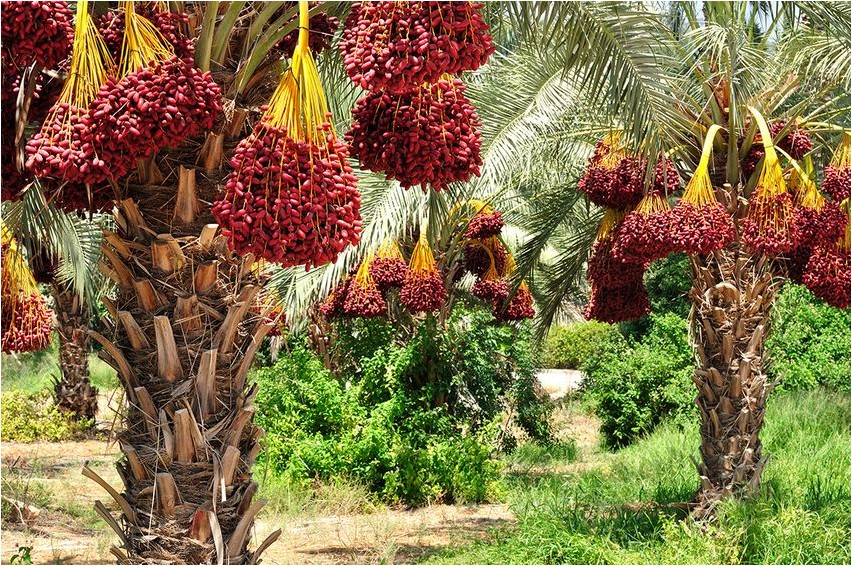
2. Elaeis oleifera, also known as the American oil palm, is native to South America. Although its fruits also produce vegetable oil, it is used locally, not for global markets. The fruit pulp is also used as a feed for livestock and for maintaining healthy and beautiful hair. Elaeis oleifera is much less common in nature than the previous species. It also produces a smaller tree than the African oil palm, and consequently, its fruits are much smaller than those of the leading species.
This doesn”t stop the American oil palm from delighting its owners four times a year with a harvest of red-orange fruits, the kernels of which yield a fatty oil similar in composition to coconut oil.
“Industrial” palm in bread. Who”s next? / @Arkady Mamontov





