Adhesive for artificial stone: types, characteristics, application

Artificial stone is a practical and aesthetic material that is actively used in modern construction and interior design. But to achieve a perfect result, you need to choose the right glue that will ensure reliable fixation.
Contents of the article:
the main requirements for artificial stone adhesive are adhesive strength, resistance to moisture and atmospheric conditions, and ease of use. The adhesive must have high adhesion to various surfaces to ensure durability and reliability of the structure.
There are several types of adhesives for artificial stone, each of which is suitable for certain operating conditions. For example, to install artificial stone façade panels outdoors, it is recommended to use adhesive that is highly resistant to ultraviolet radiation and atmospheric conditions.
A special role is also played by the ease of use of glue for artificial stone. This allows craftsmen to save time when performing work and achieve ideal joint geometry. The adhesive must be easy to apply and have a long open time to allow for precise adjustment of the elements before final joining.
Advantages of adhesive for artificial stone
Adhesive for artificial stone – This is an integral element when laying, installing and repairing surfaces made of artificial stone. It has a number of advantages that make it an indispensable material.
Durability
One of the key aspects that gives engineered stone adhesive its edge is its durability. It provides reliable connection of surfaces for a long period of time. Thanks to this, the glue eliminates the possibility of peeling and delamination of the artificial stone.
Versatility
Adhesive for artificial stone is a universal material. It is suitable for use with various types of artificial stone, such as acrylic stone, quartz stone, artificial granite and others. This provides flexibility and allows you to use the same adhesive for different projects.

Water resistance
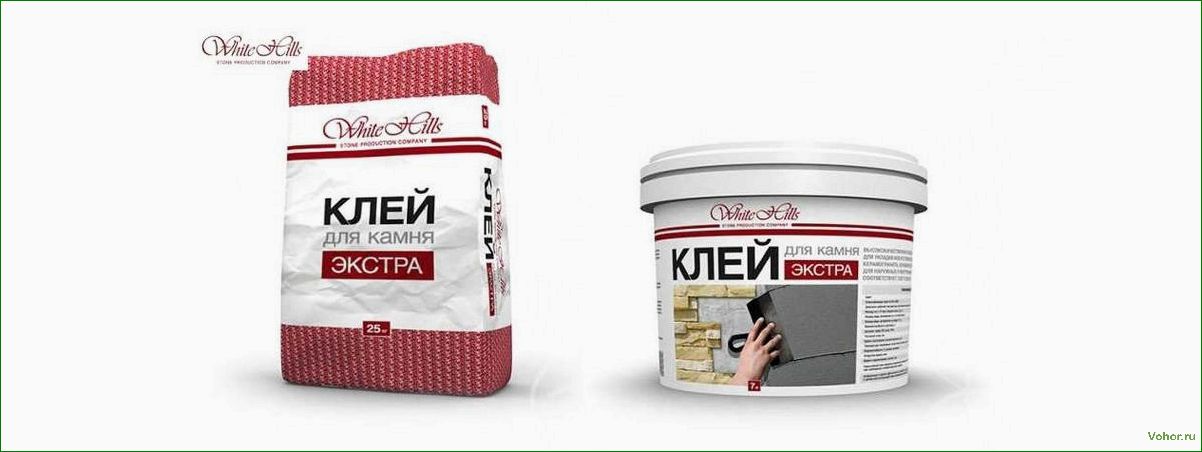
Adhesive for artificial stone is highly water resistant. This allows it to be used in areas with high humidity, such as bathrooms, kitchens and swimming pools. The waterproof properties of the adhesive guarantee its reliability and resistance to moisture.
Ease of use
Adhesive for artificial stone is easy to use. It is applied to the surface using a spatula or glue gun, and then the surfaces are compressed and secured. The fast setting of the glue saves time and simplifies the process of installing or repairing artificial stone.
Overall, artificial stone adhesive has a number of advantages that make it an effective and reliable material for working with artificial stone surfaces.
How to choose the best glue for artificial stone
Artificial stone is a material that is often used to decorate walls, floors and furniture. It imitates natural stone and allows you to create aesthetically attractive interiors. However, in order to properly install artificial stone, you need to choose the right adhesive.
Glue type

The first thing you should pay attention to when choosing glue for artificial stone is its type. There are different types of adhesives, including one-part and two-part adhesives. One-component adhesives are ready to use immediately after opening the package, while two-component adhesives require mixing the two components before use. The choice of adhesive depends on the type of artificial stone and the area used.
Grip strength
Another important characteristic of glue is its adhesive strength. Artificial stone can be quite heavy, so it is important to choose an adhesive that will provide reliable adhesion. It is recommended to choose an adhesive with high adhesive strength that has been specifically designed for working with artificial stone.
Resistance to moisture and heat

When using adhesive for engineered stone, especially in bathrooms or kitchens, it’s important to consider its moisture and heat resistance. This adhesive should be highly water-resistant and retain its properties at elevated temperatures. Inadequate moisture and heat resistance can cause the engineered stone to peel.
When choosing an adhesive for engineered stone, don’t skimp on quality, as this can lead to problems down the road. It’s best to consult with professionals who can provide recommendations and help you install the engineered stone using the right adhesive.
Using Adhesives for Engineered Stone in Various Industries
Construction

Engineered stone is widely used in construction for building facades, interior design, and landscaping. Adhesives for engineered stone allow you to securely bond elements of this material, ensuring a strong and durable bond.
Adhesives for engineered stone must be highly durable, moisture and UV-resistant, and able to withstand various temperature changes. These properties allow this coating to be used even outdoors, as well as in high-humidity conditions, such as bathrooms and swimming pools.
Furniture production
In furniture manufacturing, artificial stone adhesive is used to create original and prestigious pieces. It allows for bonding artificial stone elements with other materials, such as wood, metal, or glass, ensuring a strong bond.
Artificial stone adhesive can be used to create various furniture elements, such as countertops, steps, shelves, or lighting. The adhesive provides an aesthetically pleasing and continuous bond, giving the product a finished and professional look.
Decoration
Artificial stone adhesive is widely used in decorating various objects and surfaces. It allows for the easy gluing of artificial stone elements to walls, ceilings, furniture, and other surfaces.
The adhesive provides a strong and reliable bond, allowing for the creation of a variety of decorative compositions. Artificial stone bonded with adhesive can come in a variety of shapes, textures, and shades, making it a versatile material for decorating a variety of objects. How to properly apply glue for artificial stone
How to properly apply glue for artificial stone
Surface preparation:
Before applying the glue, it is necessary to thoroughly clean the surface from dust, dirt and other contaminants. To do this, you can use a soft brush, a damp cloth or special cleaning products suitable for the selected type of artificial stone.
- Make sure the surface is dry and level. If there are uneven spots or cracks, it is recommended to smooth them out or seal them before applying the glue.
- Selection and application of glue:
Choose the appropriate adhesive for artificial stone, taking into account its type and possible features. Pay attention to the manufacturer’s instructions and recommendations for use.
- Follow the manufacturer’s instructions for applying the adhesive and use the recommended tools and application method. This is usually done using a notched trowel, which will help distribute the glue evenly over the surface.
- Apply glue to both surfaces to be joined. It is recommended to apply the glue in the form of uniform stripes or spots with a small distance between them.
- Surface connection:
After applying glue to both surfaces, place them against each other and carefully align them.
- If necessary, apply a little force to ensure that the artificial stone adheres tightly to the surface.
- Remove excess glue if any appears during connection. To do this, you can use a damp cloth or special glue removers.
- Allow the adhesive to dry and cure for the recommended time specified in the manufacturer’s instructions. This usually takes several hours.
- By following these recommendations for the correct application of artificial stone adhesive, you can achieve a reliable and high-quality connection that will serve you for many years.
Technologies for the production of modern glue for artificial stone
Artificial stone is a popular material in modern interior and exterior design. It is a mixture of various components that give it the desired properties. To assemble structures made of artificial stone, it is necessary to use a special glue, which ensures a strong and reliable connection of the elements.

Modern technologies for the production of glue for artificial stone are based on the use of high-quality polymer materials that have excellent adhesive and mechanical properties. The adhesive is designed specifically for working with artificial stone and provides good joint strength, resistance to environmental influences and durability of the structure.
Advantages of modern glue for artificial stone:
Advantages of modern glue for artificial stone:
- Permanent adhesion. The glue ensures reliable adhesion of artificial stone to other materials such as wood or steel.
- Resistant to moisture and chemicals. Adhesive for artificial stone is highly resistant to moisture, chemicals and ultraviolet rays, which guarantees the durability of artificial stone.
- Ease of use. The adhesive has a convenient consistency and is easy to apply, which simplifies the installation process and reduces work time.
- In general, modern technologies for the production of glue for artificial stone make it possible to create high-quality and reliable structures that look great and are functional to use. Thanks to the use of special glue, artificial stone becomes an affordable and popular material for a variety of design solutions.
Adhesive for artificial stone: types, characteristics, application


