Custom mobile application development

Mobile applications have become an integral part of our lives and have a significant impact on our routine activities. Technological progress has affected different areas of life and makes it more comfortable. Development of mobile applications for different platforms is a process that requires developers to have knowledge, experience and the ability to analyze the needs of possible users.
Contents of the article:
every user today, especially active ones, expects that he can do anything with his smartphone or tablet. Moreover, mobile applications, first of all, should be convenient and easy to use. At the same time, each application must have the necessary set of functionality and meet the objectives of a particular company. We must not forget about the original design, which will make the application recognizable and interesting to potential users.
All of the above suggests that originality, convenience and functionality are key factors that need to be taken into account when developing custom mobile applications. After all, they are the ones who determine the success of the program and its popularity among the target audience.
Defining the Custom Mobile Application Development Process
Custom mobile application development is a complex process that requires careful elaboration of stages. Defining the development process is one of the key points, thanks to which it was possible to quickly and professionally create an application that meets the customer’s needs.
Stages of the mobile application development process
The first stage is the collection and analysis of information about the customer and the project. It is necessary to understand the basic requirements and goals of the customer, analyze competitors and evaluate market prospects. It is also important to identify the target audience so that the application meets their needs.
Next comes the application design. A detailed technical specification is created that describes the functionality and design of the application. The requirements for server software and database are also defined here.
At the third stage, the actual application development occurs, where various programming languages and development tools are used. After this, the application is tested for errors and bugs, as well as for compliance with the requirements of the customer and target audience.

Key Points for Defining the Development Process
Defining the custom mobile app development process involves several key points. It is important to clearly define the customer’s requirements and target audience so that the creation of the application is successful and productive. It is also necessary to assess the complexity of the project and highlight the main stages of development.
Another important point is choosing a development team with the necessary knowledge and experience. It is also necessary to determine the timing and budget of the project.
As a result, defining the mobile application development process is a key point that will help create an application that meets the requirements of the customer and the needs of the target audience.
Key benefits of custom development
1. Individual approach

Custom mobile application development provides the opportunity to create unique products that fully meet the needs of a specific business or client. This allows you to solve unique problems and achieve planned goals in a short time.
2. High quality product

Custom application development allows clients to receive a high-quality product that will pass all the necessary tests before release. In addition, such applications have good optimization and stable operation, which has a positive effect on the reputation of the business.
3. Rapid project deployment

Custom application development allows you to complete a project in a short time. The development team is responsible for all stages of product creation, from requirements analysis to testing. This allows clients to receive results within a specified time frame.
4. Product support and maintenance
Creating custom applications allows customers to receive product support and maintenance. End users receive stable operation of the product, there are no crashes or errors that disappear after updates or updates for new OS versions. The development team makes sure that the applications remain relevant over a long period of time.
5. Saving time and resources
Custom application development allows you to significantly reduce the time for project implementation. Clients do not have to look for ready-made solutions that do not always meet the needs of a particular business. In addition, having a team of professionals allows you to reduce the cost of training staff and minimize the risks of failures and errors associated with independent product development.
6. Data security
Custom development provides the opportunity to control the process of data storage and processing. This means customers receive high data security that can be customized to meet specific business needs.
7. Increased profits
Creating custom applications allows you to increase business profits thanks to unique functionality, stable operation and high data security. This helps retain customers and attract new users, which ensures growing revenue.
8. User convenience
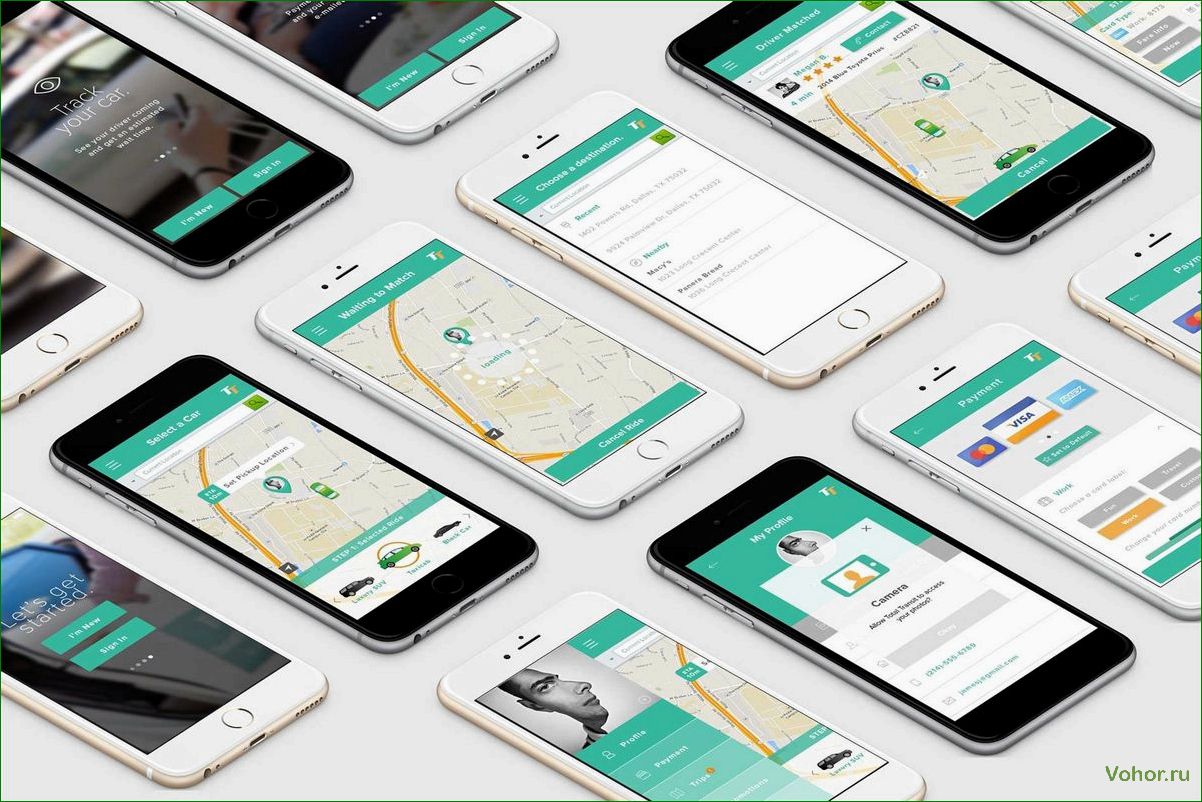
Custom mobile application development allows clients to get a product that will be as convenient as possible for their end users. The ability to create a unique interface and unique features allows clients to attract new users and retain existing ones.
9. Product Analytics

It provides the opportunity to receive comprehensive product analytics, which helps optimize the application and tailor it to the needs of specific users. This helps improve customer experience and increase the frequency of app usage.
10. Business development
Creating unique custom applications helps a business develop and expand. This helps attract new users and compete with other products in the market. Application development allows a business to monitor changing user needs and make the necessary changes in order to continue to grow.
Mobile application development cost
Criteria affecting cost
The cost of mobile app development depends on many factors. Before starting development, it’s important to determine the key criteria that influence the cost:
- Functional complexity;
- Interface design;
- Platform support (iOS, Android, Windows, etc.);
- Integration with other services (e. g., social networks);
- App information security;
- Additional services (e. g., testing, support, and updates).
Cost calculation
The cost of mobile app development can be calculated based on an hourly rate or a fixed price per project. Typically, the project cost is determined based on the following stages:
- Requirements analysis and technical specifications;
- Interface design development;
- Functional programming, third-party service integration;
- App testing and debugging;
- App support and updates.
Cost in Russia and abroad
The cost of mobile app development depends on the developer’s geographic location. Developing an app in the United States, Europe, or Australia will be significantly more expensive than in Russia or India. The approximate cost of custom mobile app development in Russia ranges from $150 to $300 per hour, depending on the project’s complexity and the developer’s experience.
How to choose a development contractor
Explore the market
Before you start searching for a developer for your mobile app, research the market. Determine which companies offer development services and their reputations. Find reviews and recommendations from previous clients. Create a list of potential partners, compare their professional experience, and begin your selection based on this.
Check qualifications and experience
Check the experience and qualifications of firms and key experts. Inquire about real-world experience in developing similar mobile apps. Evaluate the qualifications of technical specialists—developers, designers, analysts, and testers. The more real-world experience and qualifications they have, the higher the likelihood of a successful project.
Check the technical base
Find out the technical foundation of the firm and what tools and resources will be used to develop your mobile app. Ensure that the developer uses only leading technologies and tools. Consider the speed of work and the ease of managing the app after its launch.
Estimate cost and development time

The cost of a mobile application is closely related to its functionality and development time. Ask for estimates from different developers, compare prices and their turnaround time for the project. Do not forget about the payment terms and descriptions of additional services. Based on the information received, choose the most appropriate one in terms of cost and development time, taking into account all the important factors for the developer of your planned application.
Main stages of mobile application development
Project planning
The first stage is defining the goals and objectives of the application. It is necessary to analyze competitors, identify their advantages and disadvantages, and also determine your unique feature. After this, a technical specification is drawn up with requirements for the functionality and interface of the application. Also at this stage, the budget and development time are calculated.
Design and prototyping
At this stage, user interface mockups are created to help you imagine what the finished application will look like. Prototypes are also created to test the application and determine any changes needed.
Development

After approval of the design and prototypes, coding and creation of application functionality begins. This is the longest stage at which the entire team of developers, testers and designers work.
Testing and Debugging
After completing the development of the application, you need to test its performance on different devices and in different conditions. This allows you to identify errors and shortcomings in the application, which are corrected at this stage.
Release and support
The final stage is the release of the application in the App Store or Google Play, as well as its further support and technical support for users. It is necessary to monitor user feedback and, if necessary, make changes to the application.


