Lemongrass
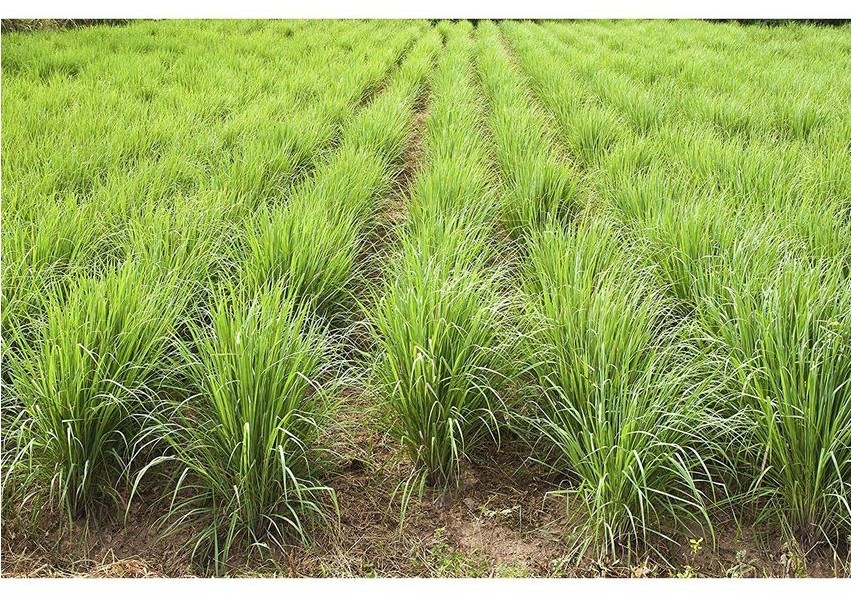
Lemongrass (lat. Cymbopogon) is a genus of herbaceous plants of the Poa family, or Cereals. Other names include shuttlebeard, lemongrass, lemongrass, citronella, cimpogon, or lemongrass.
The genus includes about 55 species, naturally growing in regions with warm climates. Lemongrass is native to North Africa. Today the plant is widely cultivated in Georgia, Italy, Africa, India, China, Tajikistan, Uzbekistan, Mongolia, as well as in the countries of South America.
Characteristics of culture
Lemongrass is a tall perennial spicy-aromatic plant up to 1. 5-2 m high. The leaves are light green, long, narrow-linear, hard, pointed at the ends, and you can easily cut yourself when working with them. The leaves are collected in peculiar volumetric bunches. The flowers are inconspicuous, collected in paniculate inflorescences. All above-ground parts of the plants have a pleasant lemon aroma.
Growing conditions
Lemongrass prefers loose, light, well-drained, slightly acidic soils. Sandy loam, nutritious, moist soils with a significant layer of humus are optimal. The crop can be grown in marshy soils, but it does not accept saline soils. The location in the garden is sunny, protected from cold winds. Despite the fact that lemongrass is characterized by rapid growth, it is not able to fill large areas. It is not forbidden to grow lemongrass in pots and other containers on the windowsill.
Subtleties of cultivation It is recommended to grow the crop using seedlings. Seeds are sown in special containers with nutritious, moist soil. The seeding depth is 0. 5 cm. Before emergence, the crops are covered with plastic film or glass, regularly watered and ventilated. The optimal room temperature is 20-22C. Lemongrass seedlings are planted in open ground around the twentieth of May, but only after the threat of frost has passed.
After planting, the plants are watered and the soil around is mulched. Mulch will provide the lemongrass roots with constant moisture and relieve the gardener from constantly fighting weeds. In areas with cold winters, lemongrass is grown as an annual, but if you want to have a perennial bush, you can plant the crop in a container and bring it into a warm room for the winter. Containers for lemongrass should have holes in the bottom.

Care
Watering is timely using soft rainwater or settled tap water. Weeding and loosening as necessary. Feedings are annual. Complex mineral and organic fertilizers are applied in spring and autumn. The crop is very rarely affected by pests, since it has a pronounced aroma.
Usage
Lemongrass is one of the directly aromatic herbs that has a pleasant citrus aroma with light almond notes. The stems of the plant are used as a spice in stews and soups. Lemongrass goes perfectly with red pepper and coriander.
Lemongass is also used as an ornamental crop. The plant will be an excellent contrasting background for low-growing annual and perennial flowers. Lemongrass fits harmoniously into compositions with cannas and castor beans.
Lemongrass has not bypassed pharmacology and industry. For medical purposes, the plant is used to make preparations intended to cleanse the liver of waste and toxins, treat the pancreas, gastrointestinal tract and kidneys. The essential oil produced from lemongrass has antiseptic properties. The culture is also widely used in the perfume industry and aromatherapy.