Shepherd’s purse, or purse plant
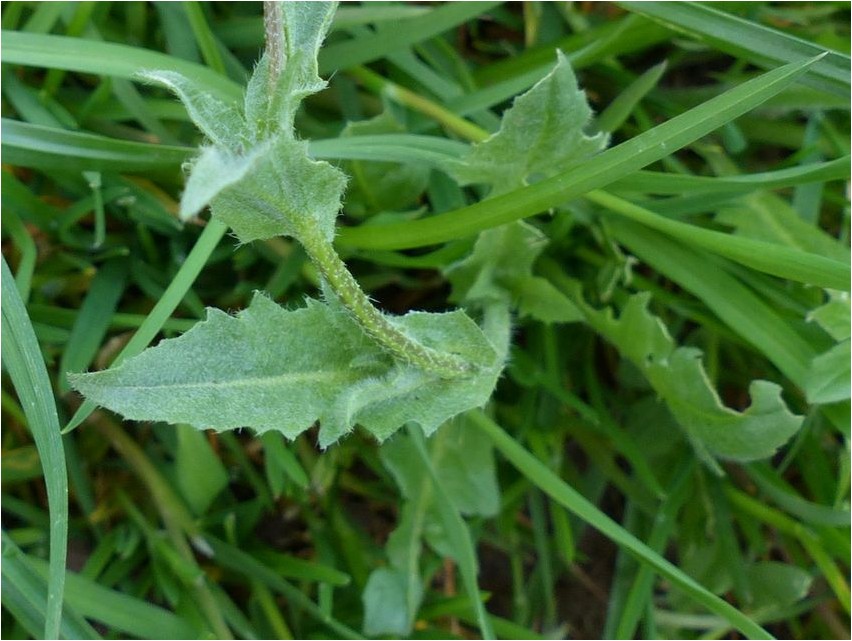
Shepherd’s purse, or purse plant (Latin: Capsella), is a genus of herbaceous medicinal plants belonging to the cabbage family (Brassicaceae).
While many herbs used by folk healers to treat human ailments are not recognized by mainstream medicine as medicinal aids, plants of the genus Shepherd’s purse are widely used by both. Although the plant’s unprepossessing, simple appearance doesn’t attract much attention from those unfamiliar with either medicine or the plant kingdom, it is often considered a common, pesky weed in gardens, vegetable plots, and agricultural fields.
What’s in a name
The genus owes its Latin name “Capsella,” which means “casket or box,” to the shape of its fruits.
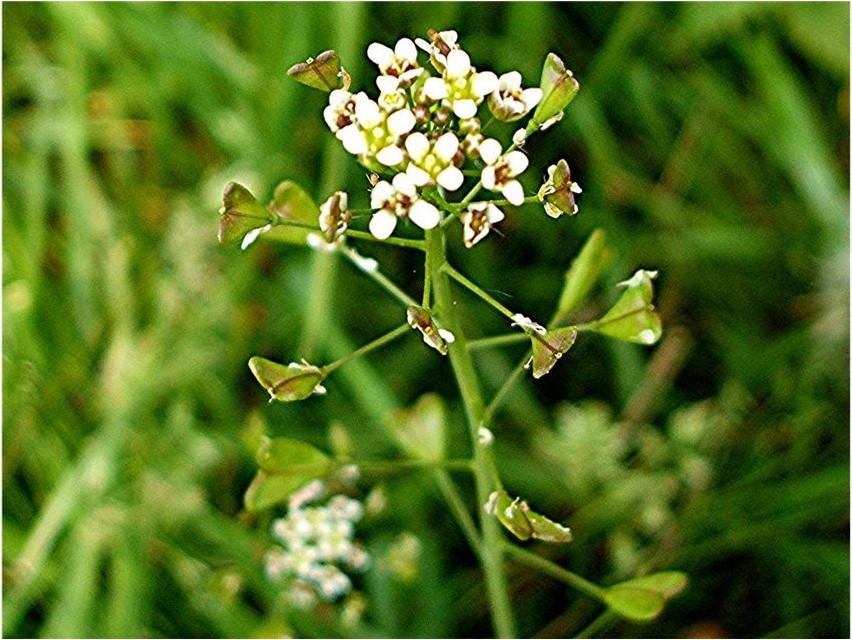
The genus has numerous common names and synonyms. In English-speaking countries, it is called “Shepherd’s Purse,” which literally translates into Russian as “Shepherd’s Purse,” because the heart-shaped fruits of plants in this genus are very similar in appearance to the traditional backpacks of European shepherds.
Description
Shepherd’s Purse is a surprisingly resilient and prolific plant, beginning to bloom with small, light pink, white, or fawn flowers in May. Flowering continues continuously until October. During this entire period, the self-pollinating flowers transform into the very same “shepherd’s purse,” which contains numerous seeds. Experiments conducted by botanists have shown that individual plants, under favorable conditions, are capable of producing over 59, 000 seeds that can survive in the soil for long periods.

Thanks to these abilities, the unpretentious plants of the Shepherd’s Purse genus have become a cosmopolitan weed for temperate regions worldwide. Shepherd’s Purse has also managed to establish itself in high, cool regions. tropics.
While sharing a number of similar traits, species of the genus differ from each other in plant height, leaf size and shape, flower and fruit size, and seed production. Reproduction occurs exclusively through seed sowing.
There are two types of plants. Spring plants produce vigorous spring shoots and grow very quickly, starting to produce seeds within a month after their appearance in this world. Therefore, during the summer season they manage to please the planet for two or three generations, which does not at all please the workers who grow cereals and vegetables in the fields. The second type of Shepherd’s purse are overwintering plants, which in the fall give rise to dense, spreading rosettes of leaves, blocking the way for winter field crops, forcing field workers to use various methods of weed control.
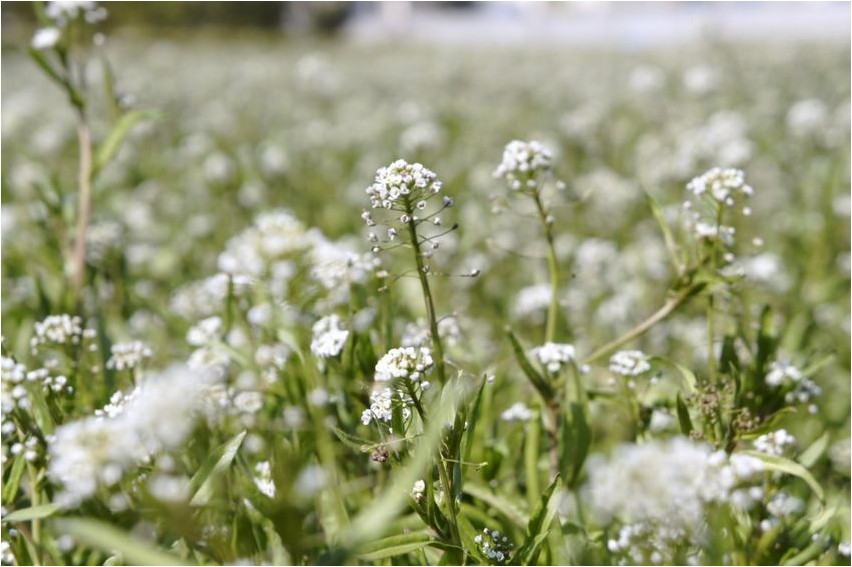
The healing powers of the Shepherd’s Purse
If for agriculture the Shepherd’s Purse is tantamount to the invasion of plague on human communities, then for medicine it is a real find with a lot of advantages. Moreover, the plant received recognition from both traditional healers and official medicine.
All above-ground parts of the Shepherd’s purse, collected in the early morning during the flowering period of the plant, have healing abilities. It would seem that the chemical composition of the plant does not differ in anything special, demonstrating the presence of alkaloids, macroelements, microelements, a number of standard vitamins (“A”, “B2”, “C”), potassium…, which is easy to detect in many other representatives of the plant world. However, Shepherd’s Purse leads in its ability to stop bleeding in the human body, be it external or internal.
In addition, Shepherd’s Purse can heal purulent wounds, fight inflammatory processes, improve the functioning of blood vessels, cleansing them of unwanted invaders, and calm frayed nerves.
Like any medicine, Shepherd’s Purse also has contraindications for the use of preparations from the plant. Therefore, when resorting to self-medication, you should consult a specialist.
The leaves, flowers and seeds of the plant are quite suitable for human nutrition.