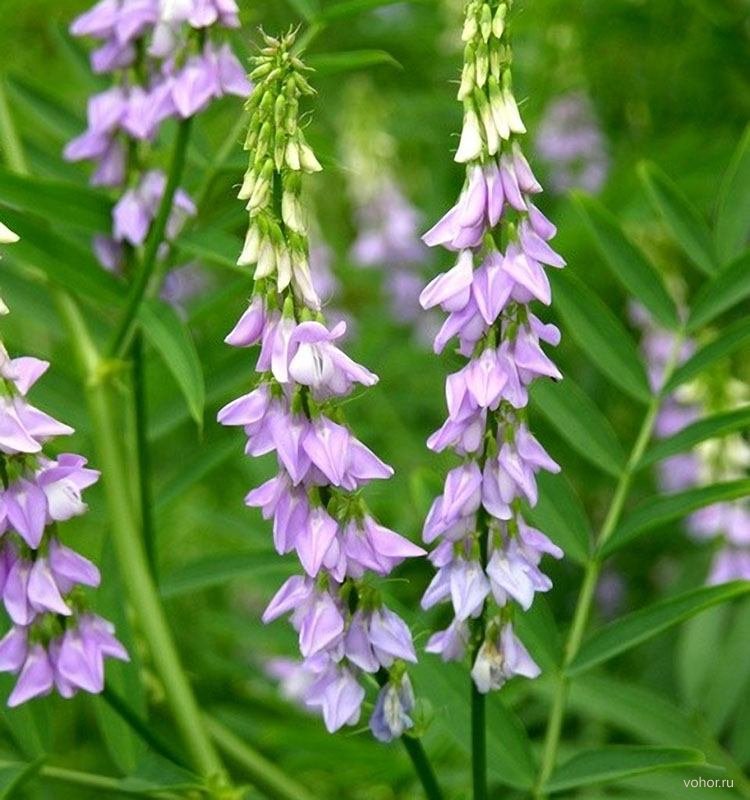
Liquorice
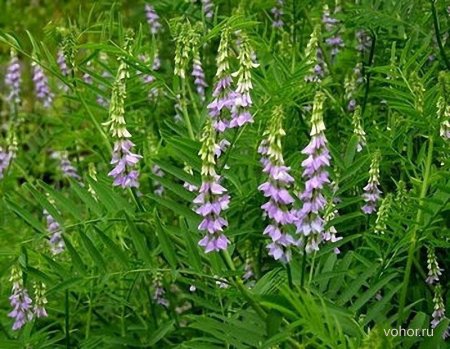
This is a perennial plant with a large rhizome, from which stolons grow up to 2 m long and equally long roots. The rhizome and roots have a brown bark, yellow inside, and a sweet taste. Stems up to 1 m high, simple or branched at the top. The leaves are imparipinnate, consisting of 4-8 pairs of leaflets and one at the end; oval or elliptical with a rounded base and a sharp apex; the surface is dotted with numerous glands that make it sticky. Glycyrrhiza glabra Names: Licorice, Licorice naked, Licorice smooth, Licorice
Family: Legumes This is a perennial plant with a large rhizome, from which stolons grow up to 2 m long and equally long roots. The rhizome and roots have a brown bark, yellow inside, and a sweet taste. Stems up to 1 m high, simple or branched at the top. Leaves. The leaves are imparipinnate, consisting of 4-8 pairs of leaflets and one at the end; oval or elliptical with a rounded base and a sharp apex; the surface is dotted with numerous glands that make it sticky.
Flowers . The flowers, collected in racemes, located in the axils of the leaves, have a short stalk; calyx tubular, ending with five lanceolate teeth; the corolla consists of 5 petals; the color varies from bluish to purple. Fruit. The fruit is a small elongated bean with 2-3 oval brown seeds
Harvesting The roots are collected in September-November, when the plant enters a dormant period, which is at least 3 years old from the plant; the roots are washed, the side roots are removed and cut into pieces 10-15 cm in length.
Storage The roots are dried in the shade or in a heated environment (no more than 40°C). Store in paper bags or glass jars away from moisture, since the material is hygroscopic.
Use Properties: refreshing, soothing, anti-inflammatory, expectorant.
Active ingredients: glycyrrhizic acid, flavonoids (liquiritin), carbohydrates, phytosterols, starch 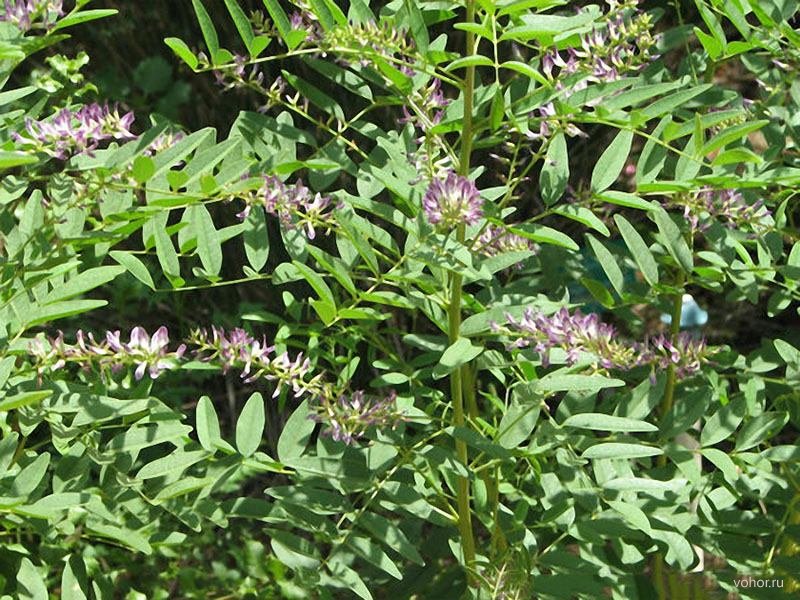 liquorice is a refreshing and soothing ingredient in candies and tablets; sweetener for desserts, foods and dietary preparations; flavoring for liqueurs, drinks, tobacco. Internally, Licorice is used primarily as a cough suppressant and expectorant (especially in preparations intended for children); as an antispasmodic in digestive processes; for heartburn and gastritis. Glycyrrhizic acid, found in Liquorice, is widely used in the treatment of ulcers. Externally, chewing Liquorice root is a soothing and anti-inflammatory of the mouth and gums, soothes smokers’ throat irritation, clears the voice, and eliminates bad breath. Licorice has a calming and normalizing effect on the skin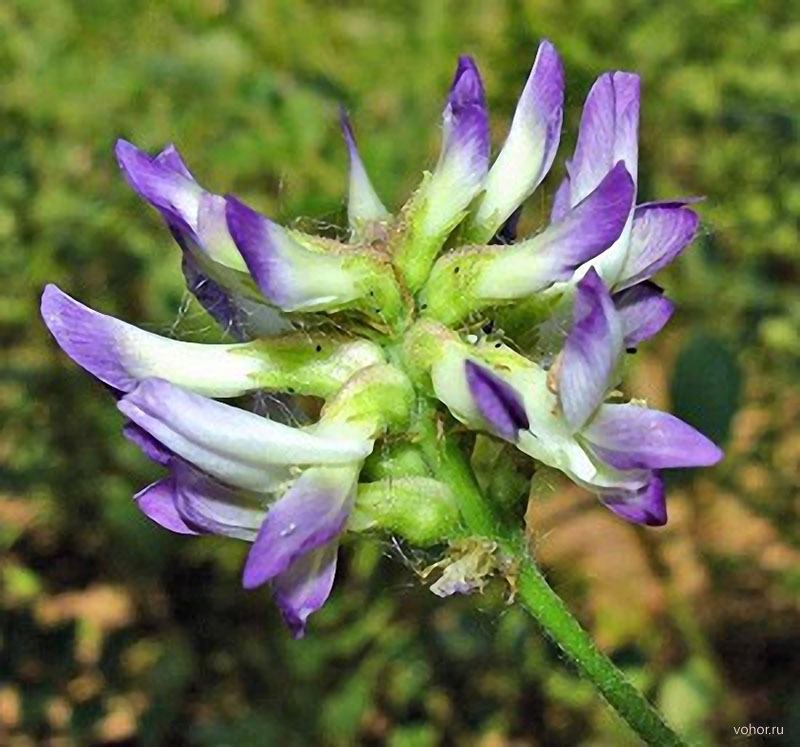

internal use.
Roots For cough, bronchial catarrh, heartburn. Infusion (or decoction): 2g per 100ml of water. Take in mugs to taste. For digestion. Tincture: 20g per 100ml of alcohol 20° (infuse for 10 days). Take with spoons.
External application.
Roots As a soothing, anti-inflammatory of the mucous membrane of the mouth and throat. Decoction: 6g per 100ml of water. Rinse, rinse