Secrets of successful landscaping of a summer cottage and creating comfort
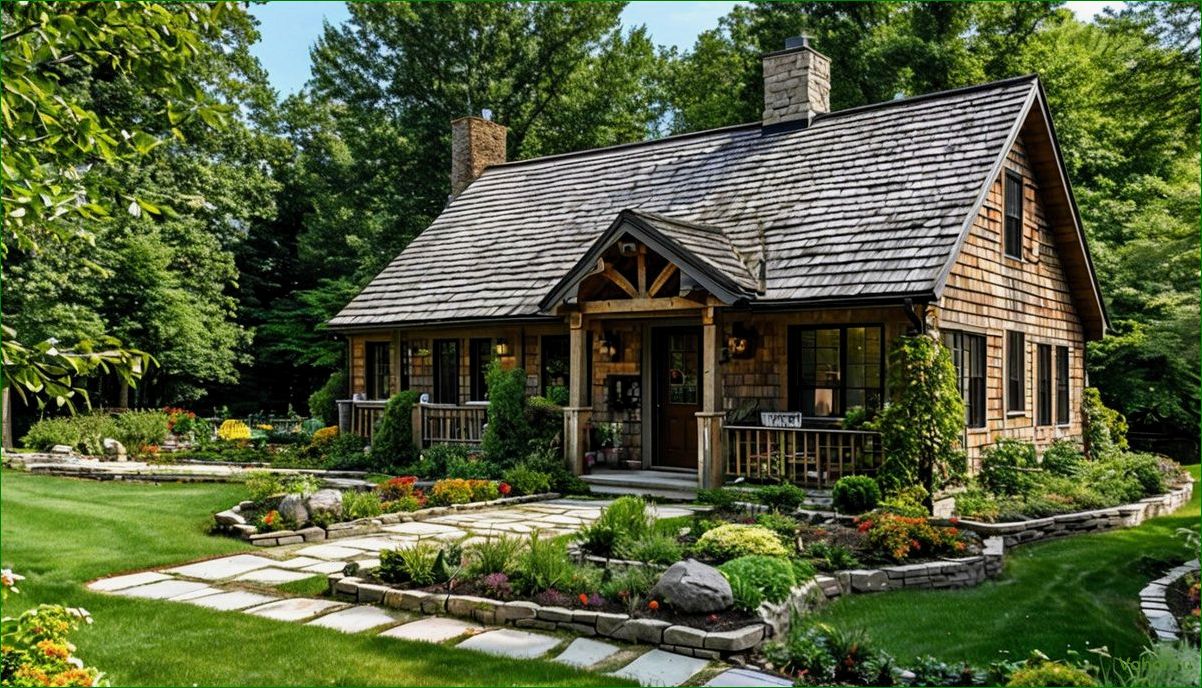
Start by arranging a comfortable seating area. Install quality outdoor furniture, choosing materials that are resistant to moisture and sun, such as wood with a protective coating or metal with a polymer coating. Add an awning or canopy that will provide protection from sun and rain. Placing a barbecue or a small oven nearby will create a cozy atmosphere and allow you to spend time preparing dishes in the fresh air.
Contents of the article:
take care of proper zoning of the site. Plant plants so that they divide the territory into functional zones: lawn for games, flower beds, vegetable beds. Use low-growing shrubs or decorative hedges as natural dividers. This will help not only create order, but also make your site more visually interesting.
Site lighting plays a key role. Install solar-powered street lights along paths, near entrances and in seating areas. For lanterns near your home, choose lamps with warm light – they create a cozy and relaxing effect. You can install decorative LED garlands along the garden.
Don’t forget about creating a watering system. Decide whether drip irrigation for garden beds, sprinkler systems, or stationary hoses with nozzles is right for you. Properly chosen equipment will save your time and provide the plants with sufficient moisture without the need to water manually.
Site protection is another important aspect. Ensure the safety of your property with a simple video surveillance system or motion sensors with alarms. This will not only add peace of mind, but will also scare away unwanted guests. Install a secure fence made from modern materials such as metal or polycarbonate, which are both durable and aesthetically pleasing.
Thinking through changes when improvement of the dacha , focus on your own preferences and the comfort of your family. Use affordable solutions that will highlight the individuality of your site and make it comfortable for living and recreation.
How to organize zoning of a site for recreation and work
Divide the site into functional zones based on your needs and the available space. Designate relaxation and work areas so they don’t overlap, ensuring comfortable use. Use hedges, decorative partitions, or shrubbery to achieve this.

For the relaxation area, choose a location with maximum privacy. Install furniture such as benches, lounge chairs, or a table with chairs. Add shade with a canopy or planting trees. For evening relaxation, provide lighting: small lanterns, string lights, or solar-powered lights. Create a fire pit if space allows, or set up a small barbecue.
The work area should be located close to outbuildings to minimize the need to move around the site. Provide a comfortable garden table, shelving for tools, and work materials. It’s also important to provide protection from the sun and rain—for example, by building a small shed or choosing a location near a construction site. You can use different types of paving to separate zones: gravel paths for the work area, and decorative tiles or wooden decks for the recreation area. This emphasizes the difference in their purposes. Also add landscape elements: lawn areas, flower beds, or ornamental plants.
If the plot is compact, visually unite the zones but create a functional boundary. For example, use green walls or light interior decor to separate them. It’s important that each zone remains suitable for its intended purpose.
Practical tips for choosing and planting plants
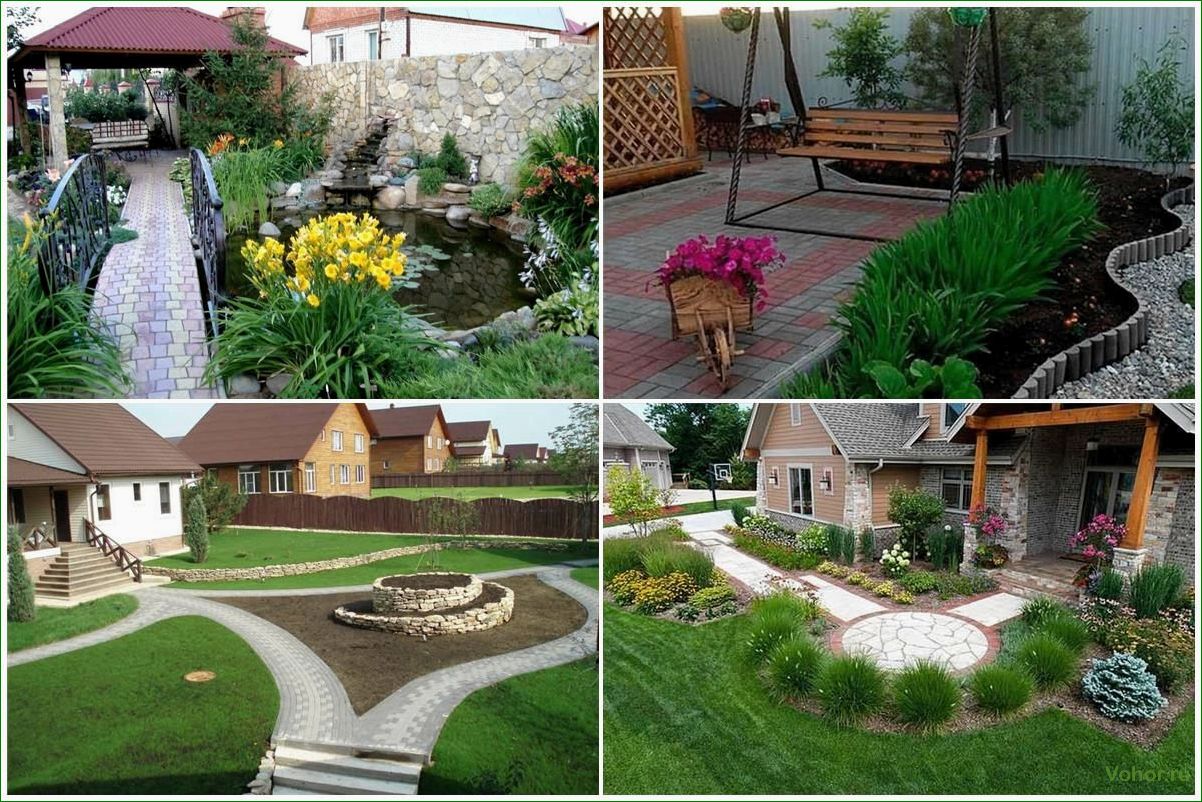
Practical advice on choosing and planting plants
- Make your choice based on their size. Low-growing species will decorate the foreground of flower beds, while tall shrubs or perennials provide a good backdrop for depth.
- Pay attention to the required level of care. Low-maintenance plants such as marigolds and calendulas are perfect for busy gardeners.
- Before planting, prepare the area:
Clear the soil of weeds and dig it thoroughly. This will ensure the plant roots have access to oxygen.
- Add organic fertilizer to the soil if it’s poor, or sand to loosen compacted soil.
- Maintain proper spacing between plants so they don’t interfere with each other’s growth.
- Water the plants in the morning or evening. Young seedlings require regular watering, while established adults are less demanding. Create a mulch of bark or grass clippings around plants to retain moisture and reduce weed growth.
Consider the order of flowering. Try to mix spring bulbs, summer annuals and fall perennials to keep your flower beds colorful all season long.
Review of ideas for creating lighting on site
Review of ideas for creating lighting on site
Plant lighting can be done using spotlights. Direct the beams at large trees, flower arrangements or unusual decorative elements. Using LEDs with different colors will allow you to experiment and highlight key areas.
Create a relaxing ambience around ponds by using floating lights or LED strip lights around the pond. This will emphasize the outlines and add softness to the night landscape.
Experiment with the movement of light by installing motion sensors at entrances, at gates or near outbuildings. This will ensure safety and energy savings.
Don’t forget to adjust the brightness: use dimmers or lights with multiple modes. This will help you easily adapt the lighting to your mood or situation.
Secrets of successful landscaping of a summer cottage and creating comfort


