Stinging nettle
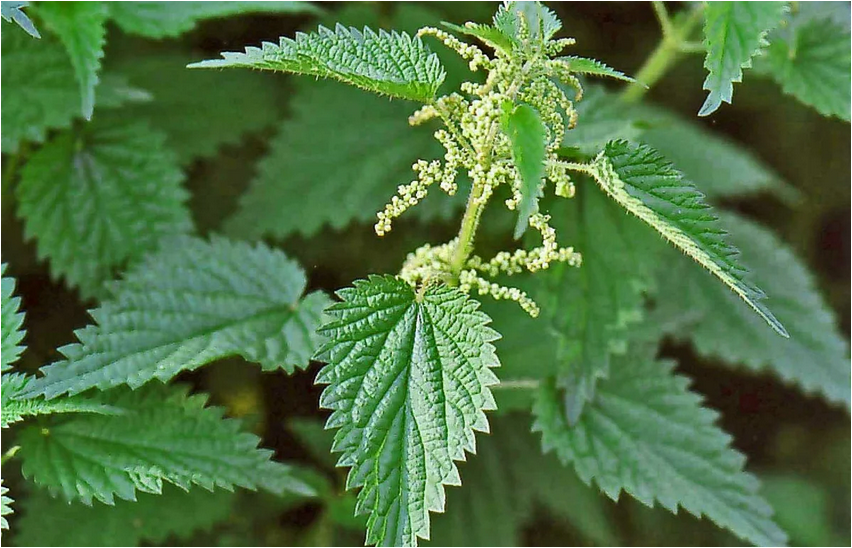
Stinging nettle is one of the plants of the family called nettles; in Latin the name of this plant will be as follows: Urtica urens L.
As for the name of the stinging nettle family itself, in Latin it will be: Urticaceae Juss.
Description of stinging nettle
Stinging nettle is an annual herbaceous dioecious plant whose height will vary between fifteen and thirty-five centimeters. The leaves of this plant are colored in dark green tones, they will be quite small in size, their length will be about two to six centimeters. The shape of such leaves will be either ovoid or oval. Such leaves are sharp, serrated, and covered with stinging hairs. Stinging nettle flowers will be small in size, they can be single or in inflorescences, the flowers are axillary, for the most part they will be endowed with a simple perianth, which will consist of three leaflets. The flowers of this plant are colored green; they can be either regular or irregular. There are only six to twelve stamens. The ovary of this plant is either semi-inferior or inferior, there is one style, and the stigma will be separate. The fruit of stinging nettle is a dry or juicy multi-seeded capsule, and sometimes the fruit can be a nut.
The flowering of this plant begins in June and continues until late autumn. It is noteworthy that the plant will be found everywhere, with the exception of the Far North.
Description of the medicinal properties of stinging nettle
Stinging nettle is endowed with very valuable healing properties, and it is recommended to use the leaves of this plant for medicinal purposes. Such raw materials should be harvested during the flowering period of this plant: to do this, you will need to tear off the leaves with your hands or mow the plant. It is noteworthy that after the leaves wither and they lose their pungency, the leaves can be torn off with bare hands, and the leaves of stinging nettle are dried in the shade.
The presence of such valuable healing properties should be explained by the content of pantothenic acid, salt, iron, vitamin C and K, carotene, carotenoids, tannins, calcium, urticine glycoside and carotene in the leaves of this plant.

Stinging nettle will have a strengthening effect on the body and will also help improve metabolism. Freshly squeezed juice of this plant should be taken for tuberculosis, gout, whooping cough, bleeding, nasal, uterine and hemorrhoidal bleeding, as well as hemoptysis. This juice should be taken one or two teaspoons. Since this plant has a beneficial effect on metabolism, stinging nettle is recommended for use for anemia, allergies, atherosclerosis, liver and biliary tract diseases.
As for traditional medicine, a decoction prepared from this plant is quite widespread. This decoction should be used as a diuretic and hemostatic agent for rheumatism, nervous disorders, urticaria, choking, whooping cough, bronchitis, stomach diseases, and this remedy is also used to improve appetite. For pimples and boils, it is recommended to make lotions and also drink this decoction. A decoction in milk should be used for stomach pain and vomiting, and a decoction of the roots is used for toothache. The roots, which have been infused with vodka, should be used for rubbing against rheumatism and uterine bleeding.
Externally, the following remedy should be used to wash wounds from burns: to prepare such a remedy, take one tablespoon of dry leaves per glass of boiling water. The resulting mixture is brought to a boil, left in a sealed container for an hour and filtered very carefully. This remedy can also be used for whooping cough four times a day, one-fourth of a glass.